
Last updated November 2, 2026
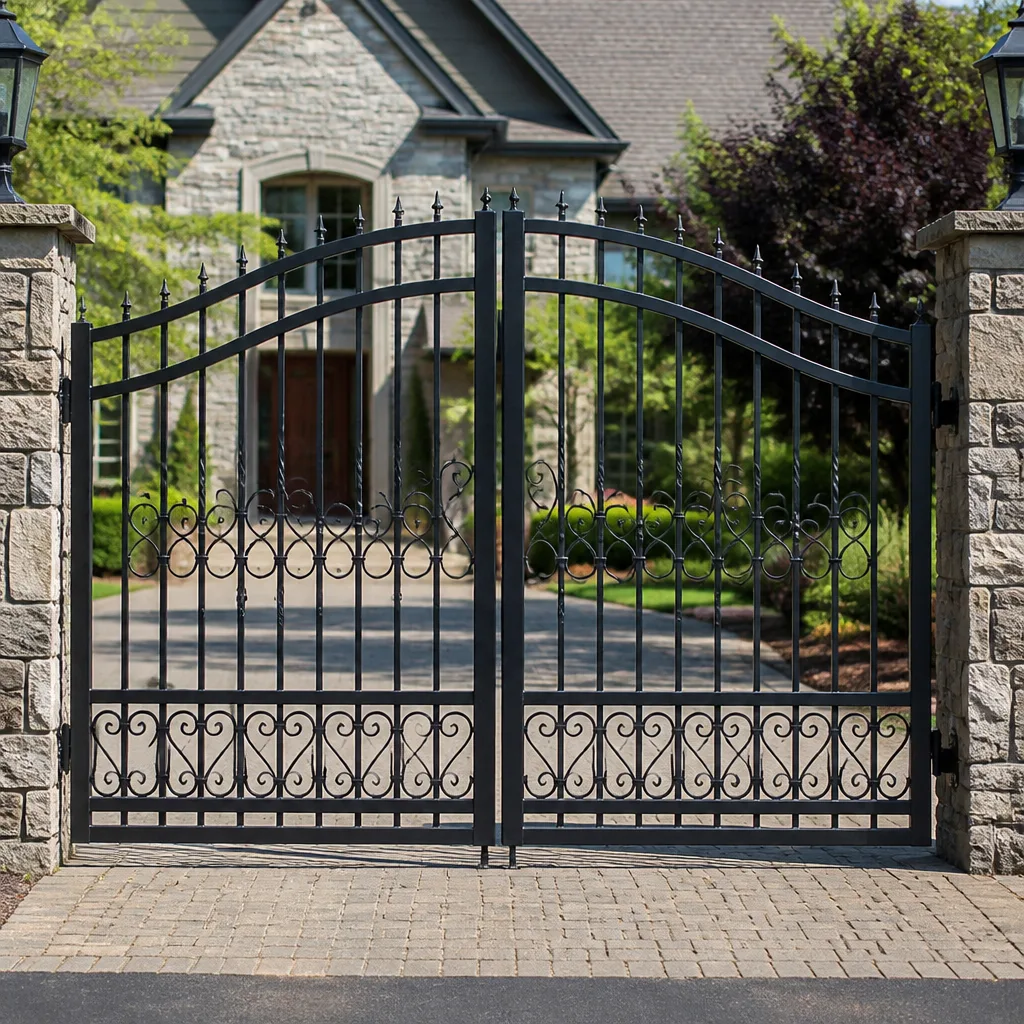 Wrought iron
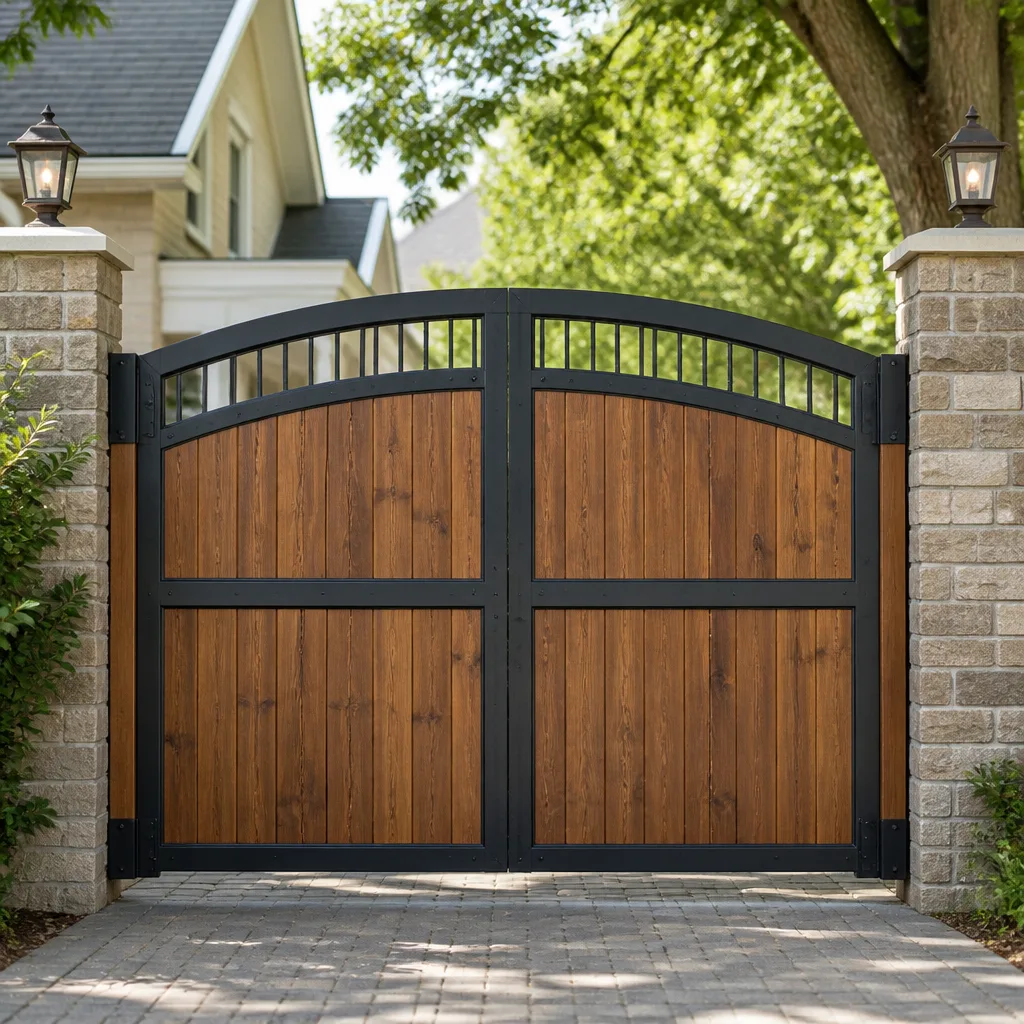 Wood & steel frame
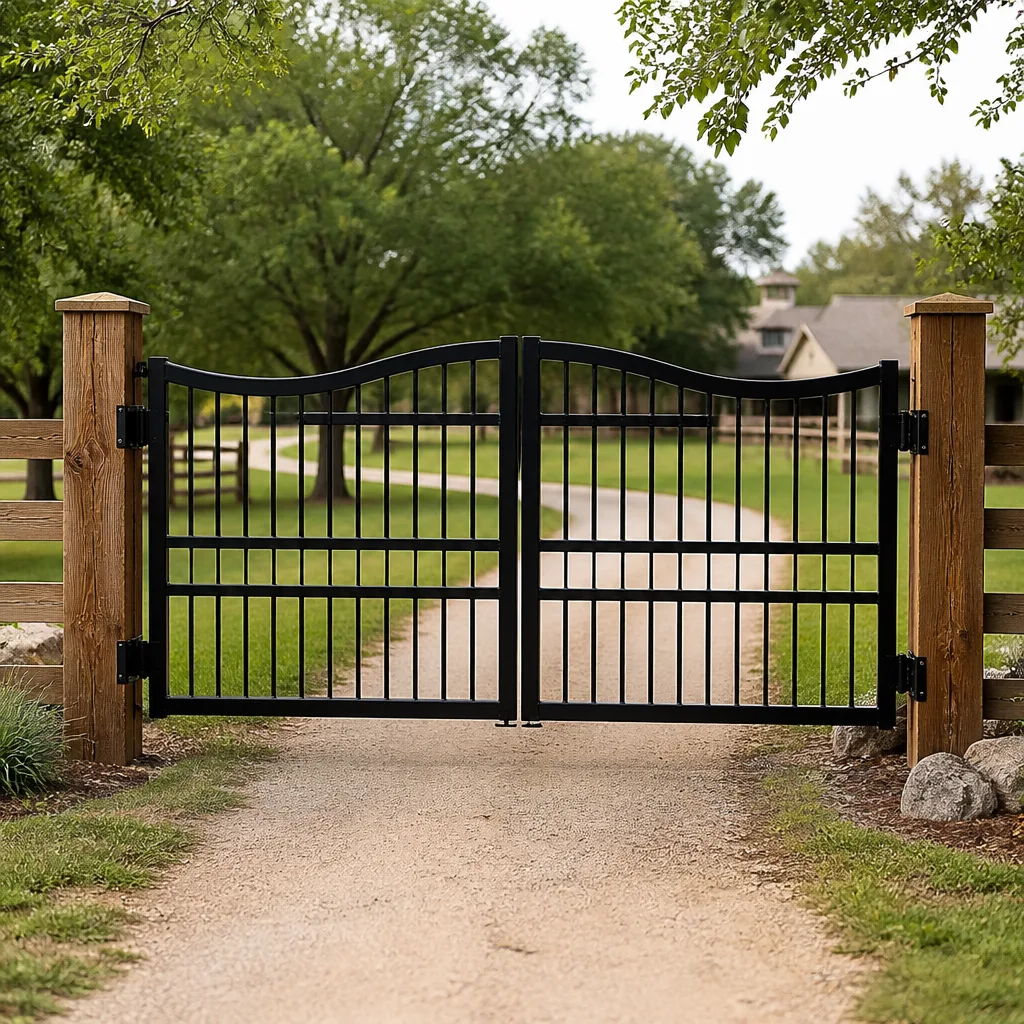 Farm & ranch
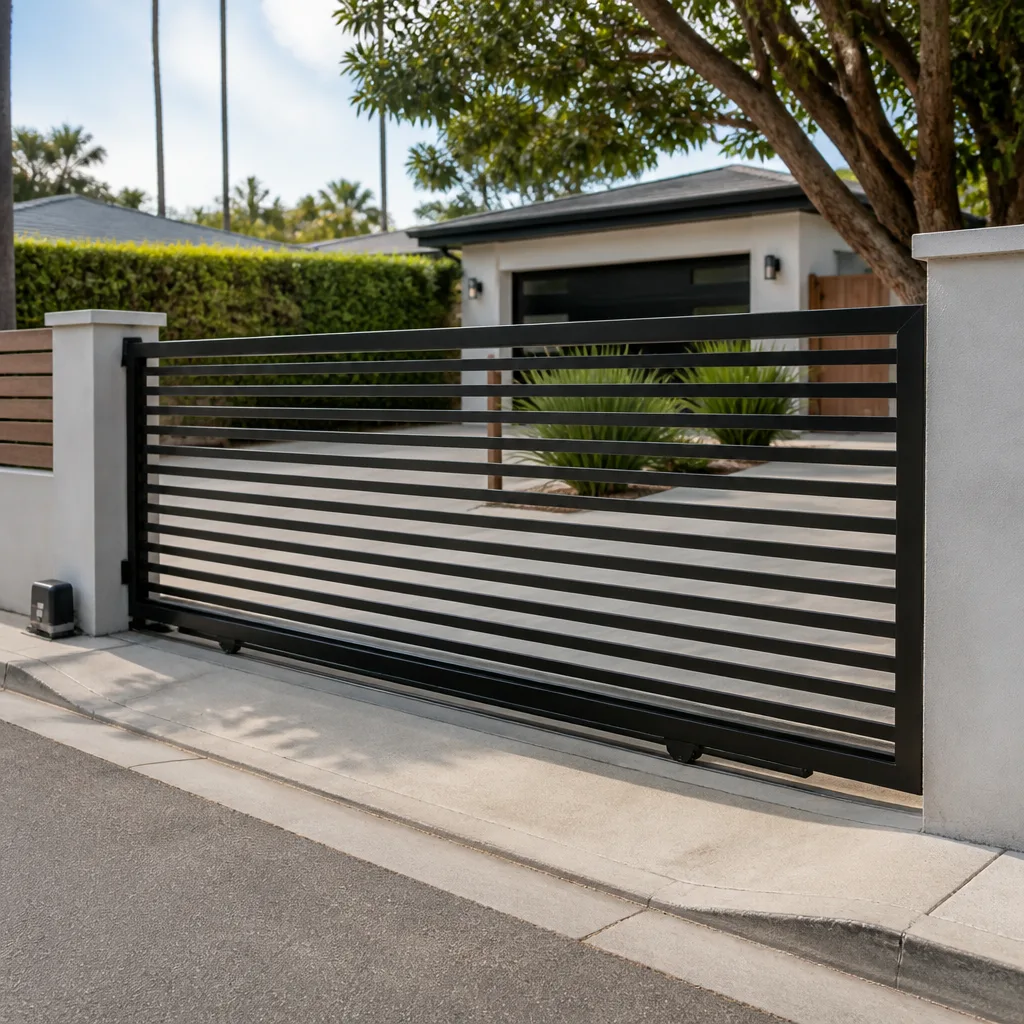 Sliding driveway gates
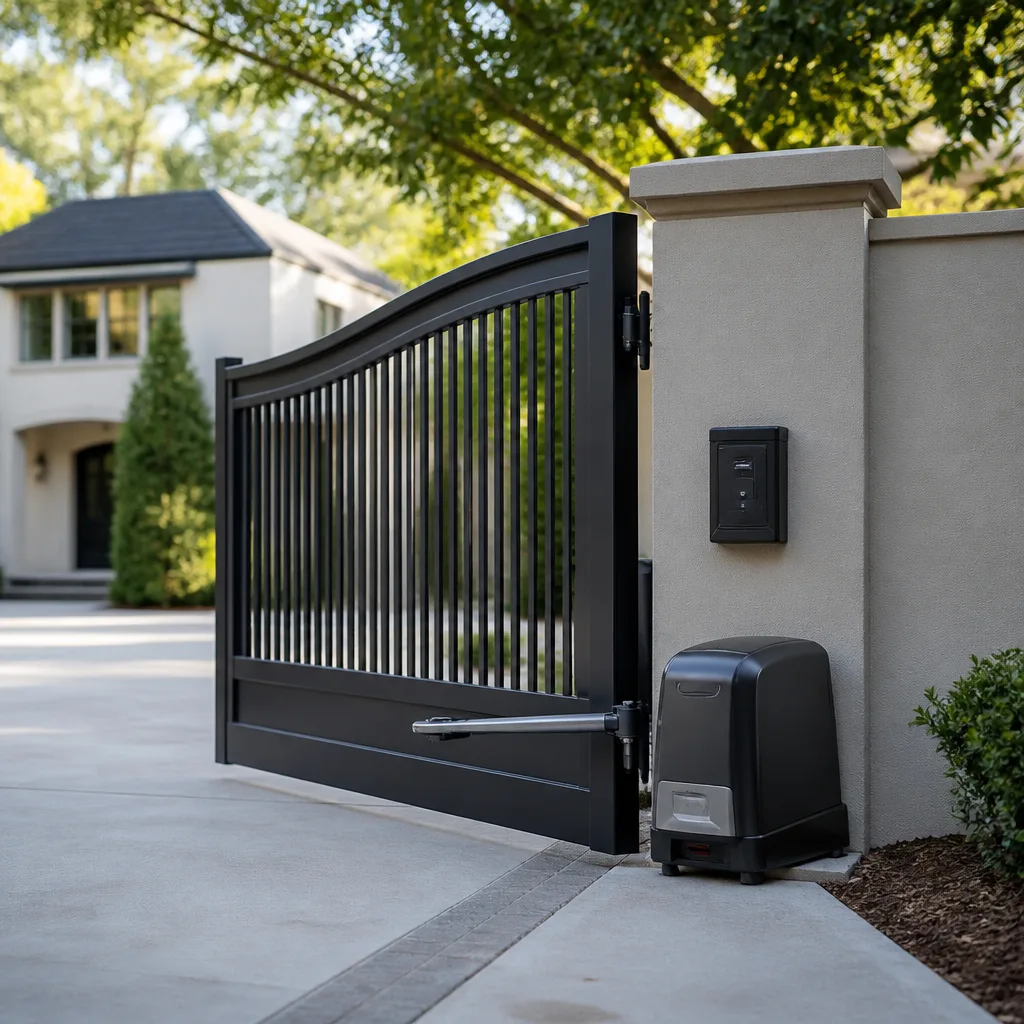 LiftMaster operators
Free on-site gate assessment - hinges, posts, and your LiftMaster or Nice gate operator checked before anything is quoted
The assessment is free and the quote is the invoice.
Get your free estimateGate Repair Cost Breakdown: The Chula Vista Homeowner’s Reference for 2026
The most common gate repair invoice in Southern California buries a $45 part inside a $320 “service and repair” line item. It’s legal, it’s common, and it makes comparison shopping nearly impossible because you’re not actually seeing what you’re paying for. This guide unbundles every cost component of gate repair in Chula Vista so you can evaluate quotes on equal terms. You’ll learn what parts actually cost, what labor should run, which brands cost more to fix and why, and how to spot a padded invoice before you sign it.
Quick Answer
Gate repair in Chula Vista typically costs between $185 and $650 depending on whether the problem is mechanical (hinges, wheels, welded steel) or electric (control board, motor, safety sensor). Simple hinge replacements run $150 to $300, electric gate operator repairs run $250 to $800, and full operator replacements run $900 to $2,400 installed. The wide range exists because parts cost is only about 30% of most repair invoices; labor, programming, and trip fees make up the rest.
Styles & brands we work with
- Wrought iron
- Wood & steel frame
- Farm & ranch
- Sliding driveway gates
- LiftMaster operators
Table of Contents
- The Unbundled Cost Sheet: What Parts Actually Cost in Chula Vista
- Labor Rates and Trip Fees: What a Gate Tech’s Time Costs
- The 50% Rule: When Repair Makes Sense vs. When Replacement Wins
- Why Operator Brand Affects Repair Cost More Than Gate Size
- Emergency Gate Repair in Chula Vista: What’s Fair and What’s Predatory
- Hidden Cost Triggers: Diagnostic Fees, Disposal, and Permits
- Residential vs. Commercial Gate Repair: Where the Price Gap Comes From
The Unbudgeted Cost Sheet: What Parts Actually Cost in Chula Vista
Before you can judge whether a repair quote is fair, you need to know what the parts themselves cost. Gate repair pricing in Chula Vista breaks down into mechanical components (hinges, wheels, tracks, steel), electrical components (control boards, motors, sensors, receivers), and labor. Most homeowners never see the parts number on an invoice, which is exactly how bundled pricing thrives. Here’s what we see on the parts side in 2026.
Mechanical Parts: The Stuff That Wears Out First
Chula Vista’s coastal air accelerates rust on unprotected steel, especially in neighborhoods west of I-5 like the Marina District and parts of western Chula Vista where salt mist reaches inland. Hinges, wheels, and track hardware corrode faster here than they do 15 miles east in Otay Ranch. That means mechanical parts get replaced more often, and the price differences matter.
- Gate hinges (pair): $35 to $90 for residential steel or cast iron. Heavy-duty weld-on hinges for larger driveway gates run $80 to $180 per pair. In Chula Vista, we recommend galvanized or stainless hinges anywhere within two miles of the coast to avoid replacing them again in three years.
- Gate wheels and rollers: $25 to $85 per wheel depending on weight rating. Cantilever gate trucks (the wheel assemblies on sliding gates) run $120 to $280 per set because they carry the full gate weight.
- Track sections (sliding gates): $40 to $110 per 10-foot section. A standard 16-foot driveway gate track is usually two sections.
- Weld repair and steel reinforcement: $60 to $150 in materials for a typical gate frame repair, but most of this cost is labor time.
- Gate closer springs and tension hardware: $20 to $55 per spring.
Electric and Automated Gate Parts: The Expensive Side
Electric gate components are where Chula Vista homeowners see the biggest price spread, and it’s driven almost entirely by brand. A LiftMaster control board and a BFT control board are not interchangeable, and they’re not priced the same. This is where bundled invoices hurt the most, because a $280 part gets buried inside a $950 repair line and you never learn the board itself was the main expense.
- Control boards (the gate’s brain): $180 to $450 for residential-grade boards. Ghost Controls and Mighty Mule boards sit at the lower end. BFT, FAAC, and Viking boards run $300 to $600 because those brands lean commercial-grade and the boards handle more inputs. DoorKing boards often run $250 to $500.
- Electric motors (operators): $300 to $900 for residential swing or slide operators at parts cost. Linear and LiftMaster residential operators are in the $350 to $700 range. Commercial-grade FAAC, BFT, and Viking operators run $800 to $2,000 for the motor unit alone.
- Safety sensors and photo eyes: $40 to $120 per pair for retrofit sensors. UL 325-compliant safety edges run $60 to $180 depending on length and brand compatibility.
- Remote controls and receivers: $35 to $75 per remote from brands like Ghost Controls or Linear. A new multi-frequency receiver runs $80 to $180.
- Loop detectors (vehicle sensors buried in the driveway): $90 to $200 for the detector unit, plus $150 to $300 for the saw-cut loop installation in asphalt or concrete.
These are parts prices as of 2026, not installed prices. The gap between parts and your invoice total is labor, diagnostic time, programming, and overhead. A gate company in Chula Vista that gives you line-item parts pricing is doing you a favor; most don’t, and that’s why this guide exists.
If you’re reviewing an estimate and want a deeper dive into what a full Gate Repair in Chula Vista service call includes, that page breaks down the diagnostic process step by step.
Labor Rates and Trip Fees: What a Gate Tech’s Time Costs
Gate repair labor in Chula Vista runs $85 to $150 per hour in 2026, with most companies quoting a flat minimum service call rather than an open-ended hourly rate. That minimum typically covers the first hour on site and includes diagnostic time. The range reflects a real split in the market: handymen and general fence contractors quote lower rates, dedicated gate technicians quote higher ones, and the gap usually shows up in how many return visits you need.
How a Standard Gate Repair Call Actually Billing Out
- Trip fee or dispatch fee: $50 to $95, though most established gate companies in Chula Vista waive this if you approve the repair on the first visit. If you see a trip fee that isn’t credited toward the repair, ask why.
- Diagnostic time: 30 to 60 minutes, typically included in the first-hour minimum. Electric gate diagnostics on brands like Viking or BFT take longer than mechanical hinge replacements because the tech has to test control board outputs, limit switches, and safety loop resistance.
- Repair labor: 1 to 3 hours for most jobs. A hinge replacement is fast. A control board swap plus reprogramming on a BFT operator takes longer because the board has to be configured to the specific gate’s travel limits and safety inputs.
- Programming and testing: 30 to 45 minutes for electric operators. This is a cost that’s invisible in most invoices but real. Programming a new Ghost Controls or Linear receiver to existing remotes, setting open and close limits, and verifying safety reverse function all take time and a laptop or programmer.
A typical Chula Vista gate repair invoice in 2026 looks like this when unbundled: $95 trip fee waived with approved work, $110 diagnostic, $180 in parts, $280 in repair labor, $75 programming. Total around $645. The same job bundled might appear as a single $620 “service and repair” line with no breakdown, and you’d have no way to evaluate it.
Why the Hourly Rate Is Higher Than a Fence Contractor’s Rate
A dedicated gate technician carries diagnostic tools, brand-specific programmers, and inventory for nine operator brands. That equipment and training cost money. When you call a company that works on LiftMaster, FAAC, BFT, Linear, Viking, Ghost Controls, DoorKing, Elite, and Mighty Mule, you’re paying for the technician’s ability to identify the problem in one visit instead of three. In our experience, the $40-an-hour price difference between a gate specialist and a general handyman is usually cheaper than paying for a second and third service call.
For homeowners weighing labor costs against the scope of the problem, the Electric Gate Repair in Chula Vista page covers what a full electric diagnostic involves.
The 50% Rule: When Repair Makes Sense vs. When Replacement Wins
The 50% rule is simple in theory: if a repair costs more than half the price of replacing the gate or operator, replace it instead. In practice, gate contractors misuse this rule constantly, and homeowners in Chula Vista get steered toward replacements they don’t need. Here’s how to apply it correctly.
When the 50% Rule Actually Applies
The rule makes sense when the gate or operator is past roughly 60% of its expected service life. A residential swing gate operator in Chula Vista’s climate typically lasts 8 to 12 years with basic maintenance. A steel driveway gate lasts 15 to 25 years depending on coastal exposure. If your operator is 10 years old and the motor is shot, a $700 motor replacement against a $1,400 new operator replacement puts you right at the 50% line, and replacement genuinely is the better financial call. You’d be putting a new motor on an aging control board, which often fails next.
The rule also holds when multiple components need replacement at once. A quote for $900 covering a new control board, a new safety edge, and a new receiver on a 12-year-old operator is a worse deal than $1,600 for a new operator with a warranty. That math is straightforward.
When Contractors Misuse the Rule
We see this misapplied in Chula Vista regularly. A contractor quotes $850 for a new control board on a four-year-old operator, then tells the homeowner the repair is “almost half the cost of a new operator” and pushes replacement. The problem: a four-year-old operator has six to eight years of life left. The control board is a replaceable component, not the operator itself. Replacing a board on a young, otherwise sound operator is a rational repair, not a bad investment. The 50% rule applies to the specific component’s replacement cost against the full system replacement, not to one part’s cost against a new system.
Here’s the honest version of the rule:
- Component-level rule: If the part you’re replacing costs more than 50% of a new operator, replace the operator. Example: a proprietary Viking motor at $900 against a $1,500 new Viking operator. That’s a close call, and we’d usually recommend replacement with a warranty.
- System-level rule: If multiple components fail within 18 months and total repair costs pass the replacement threshold, stop patching. Replacing a control board now, a motor in nine months, and a safety edge six months after that is a false economy.
- Age-adjusted rule: Replacement makes more sense when the system is past 60% of expected life. It makes less sense on a young system, no matter what the parts bill says.
If you’re trying to decide whether your gate’s repair estimate is proportionate to replacement cost, use the parts benchmarks earlier in this guide. Add parts plus estimated labor, then compare that number to a new system quote. If the repair is under 40% and the system is under 10 years old, repair is usually the right call.
When replacement genuinely is the better path, the Gate Installation in Chula Vista page walks through the full scope of a new gate project.
Why Operator Brand Affects Repair Cost More Than Gate Size
Here’s the counterintuitive truth most Chula Vista homeowners learn the hard way: a $900 parts bill on a small pedestrian gate is usually because of the operator brand, not the gate itself. The gate’s size matters for mechanical repairs, but for electric gate problems, brand is the dominant cost variable. This is why two homeowners with similar-looking driveway gates can get repair quotes $400 apart.
Parts Availability and Proprietary Systems
Some operator brands design their systems to work only with their own control boards, receivers, and safety accessories. FAAC and BFT, which are Italian-engineered and lean commercial, are more proprietary than entry-level residential brands like Mighty Mule or Ghost Controls. A FAAC control board is not a commodity part. It’s ordered through FAAC’s supply chain, and it costs more because it’s not produced at the same volume as a Mighty Mule board. Ghost Controls and Mighty Mule parts are widely available and competitively priced. Viking and Linear sit in the middle: parts are accessible, but certain Viking commercial boards carry a premium because they’re engineered for high-cycle use that a residential board won’t handle.
Programming Fees by Brand
Programming isn’t a flat cost. A BFT or DoorKing control board requires more setup time than a basic Mighty Mule board because the installer has to configure travel limits, obstacle detection sensitivity, and sometimes integrate with a building’s access control system. That’s real labor, and it’s brand-specific. A technician who works on nine major brands, including commercial-grade lines like FAAC, BFT, and DoorKing, isn’t guessing at programming menus; they’ve seen the brand’s logic before. That matters because a misprogrammed safety loop on a BFT operator can create intermittent reverse behavior that sends a generalist back three times.
What This Means for Your Quote
When you get a repair quote in Chula Vista, ask which brand the operator is and what specifically failed. If the quote says “replace control board” without naming the brand, ask. A Linear board and a Viking board are not interchangeable in cost or in function. If the quote bundles the part into a “service and repair” line item, push for the brand and part cost. The more proprietary the brand, the more the parts number explains the total.
We work on LiftMaster, FAAC, BFT, Linear, Viking, Ghost Controls, DoorKing, Elite, and Mighty Mule every month in Chula Vista. When a homeowner knows their operator brand before calling, the phone conversation gets more useful faster. The brand tells us what diagnostic equipment to load and what parts to bring, and it gives you a more accurate quote on the first call.
Emergency Gate Repair in Chula Vista: What’s Fair and What’s Predatory
A gate stuck open at 11 p.m. in Chula Vista isn’t just annoying, it’s a security problem, especially for homeowners in neighborhoods like Eastlake or Rolling Hills Ranch where a broken gate leaves a driveway unattended overnight. Emergency gate repair is a real service with a real cost premium. But there’s a line between a fair after-hours rate and predatory pricing, and it’s worth knowing where that line sits before you’re standing in your driveway with a flashlight.
What a Fair After-Hours Rate Looks Like in 2026
Standard gate repair labor in Chula Vista runs $85 to $150 per hour during business hours. A fair after-hours premium is 1.5x to 2x that rate for nights, weekends, and holidays. That means $130 to $300 per hour for a true emergency dispatch. Some companies also charge a flat $150 to $250 emergency dispatch fee on top of the hourly rate. That’s defensible if the fee covers the technician’s travel and the company’s cost of holding a technician on call.
A reasonable after-hours invoice for a gate operator that won’t close might look like: $180 emergency dispatch fee, 1.5 hours at $200 per hour labor, $220 in parts, total around $700. That’s fair for a 10 p.m. call in Chula Vista.
What Predatory Pricing Looks Like
Predatory pricing shows up in a few specific patterns. A $400 “emergency assessment fee” that doesn’t credit toward the repair is one. An after-hours rate of $400 per hour for a standard hinge repair is another. The most common one we hear about: a homeowner is quoted a bundled emergency price of $1,200 to $1,500 for a repair that would cost $400 during business hours, with no breakdown of what’s premium pay versus parts versus after-hours dispatch.
How to Negotiate an Emergency Call Without Losing Time
- Ask for the after-hours rate structure before you agree to dispatch. A legitimate company can tell you the hourly rate, the dispatch fee, and whether the dispatch fee credits toward the repair. If they can’t, that’s a red flag.
- Determine whether the gate can wait until morning. If the gate is stuck open and a vehicle can be parked across the driveway opening, you might be able to avoid the after-hours premium entirely. If the gate is stuck closed and blocking a vehicle inside, that’s a true emergency.
- Ask for a not-to-exceed number before the technician starts work. You should know the worst-case cost before tools come off the truck, whether it’s 2 p.m. or 2 a.m.
- Confirm what the after-hours rate applies to. Some companies charge the premium only for the dispatch and first hour, then bill standard rates after that. That’s a fair structure. Others bill the premium for every hour on site.
In our experience, most Chula Vista “emergencies” are gates stuck open or half-cycled, not gates that have fully failed. The best move is usually to secure the property overnight and schedule a standard-rate repair the next morning. The exception is a gate that won’t close on a property with children or pets, where the security risk justifies the premium.
For more detail on what a typical electric gate diagnostic and repair call involves, see the Electric Gate Repair in Chula Vista page.
Hidden Cost Triggers: Diagnostic Fees, Disposal, and Permits
The parts and labor on a gate repair invoice are rarely the whole story. Three additional cost categories show up on Chula Vista gate repair quotes often enough that they deserve their own section: diagnostic fees, disposal fees, and permit fees. Each is legitimate in some circumstances and not in others. Knowing which is which keeps you from paying a $95 line item that you shouldn’t have paid.
Diagnostic Fees: When They’re Legitimate
A diagnostic fee is a charge for the technician’s time to identify the problem when you don’t proceed with a repair. It’s legitimate if the company told you about it before dispatch, and it’s typically $75 to $150 in Chula Vista. It should be credited toward the repair if you approve the work. If a company charges a diagnostic fee and then doesn’t apply it to an approved repair, that’s double-billing for the same hour.
Some companies advertise free diagnostics. That’s fine, but understand that the diagnostic cost is built into the repair pricing somewhere. No business absorbs an hour of technician time and truck overhead out of generosity. The question isn’t whether you’re paying for diagnostics; it’s whether the pricing is transparent.
Disposal Fees: Small But Real
When a gate operator motor, old steel gate, or old track gets removed, it has to go somewhere. Chula Vista’s waste facilities charge fees for metal and electronic waste. A typical gate operator disposal fee is $20 to $50. A full steel gate removal and disposal can run $75 to $150 if the contractor hauls it away. This fee is legitimate, but it should be itemized, not buried. If a quote says “disposal included” but doesn’t list a number, ask whether there’s a charge.
Permit Fees: Rare for Repairs, Common for Installations
Gate repairs rarely require a permit in Chula Vista. Replacing a hinge, swapping a control board, or installing a new motor on an existing gate are all permit-free. Where permits come into play is new gate installation, especially for automatic gates that require new electrical service to the gate location. Chula Vista’s building department requires permits for new electrical runs, and some gate installations trigger them. A new automatic gate with a dedicated power circuit can involve a $200 to $600 permit cost depending on the scope. If you’re getting a repair quote with a permit fee attached, ask what specifically requires permitting. Usually the answer is “nothing,” and you should push back.
The broader point: every line item on a gate repair quote in Chula Vista should be explainable in one sentence. If the company can’t explain a fee, you don’t have to pay it. And if you’re comparing quotes, make sure you’re comparing total price including fees, not just the headline labor number.
Residential vs. Commercial Gate Repair: Where the Price Gap Comes From
Chula Vista has a lot of residential gates, but it also has apartment complexes, business parks, and HOA communities that all run commercial gate systems. The pricing gap between residential and commercial gate repair is substantial, usually 40% to 60% higher for commercial, and it’s worth understanding why before you assume you’re being overcharged.
Why Commercial Gate Repair Costs More
- Higher-cycle components: A commercial gate at a Chula Vista apartment complex cycles 100 to 300 times per day. A residential gate cycles 10 to 20. Commercial operators like FAAC, BFT, and Viking are built for that cycle load, and their motors and boards cost more than residential units from Mighty Mule or Ghost Controls.
- Access control integration: Commercial gates typically integrate with keypads, telephone entry systems, card readers, or vehicle loop detectors. Repairing a commercial gate often means troubleshooting the entire access system, not just the operator. That adds diagnostic time.
- Safety compliance requirements: Commercial gates in California fall under stricter UL 325 requirements and, in many cases, must meet ASTM F2200 safety standards. That means safety edges, photo eyes, and loop detectors have to be tested and verified on every repair. The testing time is real.
- Parts lead times: Commercial parts for FAAC, BFT, and Viking sometimes have to be ordered, especially for less common configurations. A residential Mighty Mule part is often on a shelf locally. Ordering parts means either a second visit or extended on-site time for a commercial repair.
What Commercial Gate Repair Costs in Chula Vista
A commercial gate repair in Chula Vista typically runs $350 to $900 for a control board replacement, $500 to $1,400 for a motor replacement, and $800 to $2,800 for a full operator replacement depending on the brand and access control complexity. These are installed prices, not parts prices. The range is wide because a BFT sliding gate operator with telephone entry integration is a different job than a standalone Viking swing gate with a keypad.
For commercial property managers in Chula Vista, the most important vendor decision is whether the gate company actually understands commercial systems or whether they’re a residential shop taking a commercial call. The difference shows up in how quickly the tech identifies an intermittent limit switch failure versus swappable parts until something sticks.
If you’re looking at a new gate project for a residential or commercial property in Chula Vista, review the Gate Installation in Chula Vista page for a breakdown of what a full installation includes.
Common Mistakes to Avoid
- Accepting a bundled price without a parts and labor breakdown. If a Chula Vista gate company gives you a single “service and repair” line item, ask for the split. A legitimate company can tell you what the part costs and what the labor costs. If they refuse, get another quote.
- Automatically replacing instead of repairing because the quote “feels high.” A $650 control board replacement on a five-year-old operator is often a better deal than $2,000 for a new operator. Apply the 50% rule honestly, not emotionally.
- Paying an after-hours premium for a gate that can wait. Unless the gate is stuck closed and blocking a vehicle, or stuck open with no way to secure the property, a morning repair at standard rates saves $150 to $400 in Chula Vista.
- Ignoring the operator brand when comparing quotes. Two quotes for “control board replacement” aren’t comparable if one is for a Mighty Mule board and the other is for a BFT board. Always ask what brand and part the quote includes.
- Paying a diagnostic fee that isn’t credited toward the repair. In Chula Vista, the convention is that diagnostic time folds into the repair if you approve the work. If a company wants both a diagnostic fee and full repair labor, that’s the same hour billed twice.
- Treating a gate repair quote as a fixed number instead of a range. Reputable gate companies quote a range because they don’t know exactly what they’ll find until the gate is open. A flat quote that seems too precise is often a placeholder for a change order later.
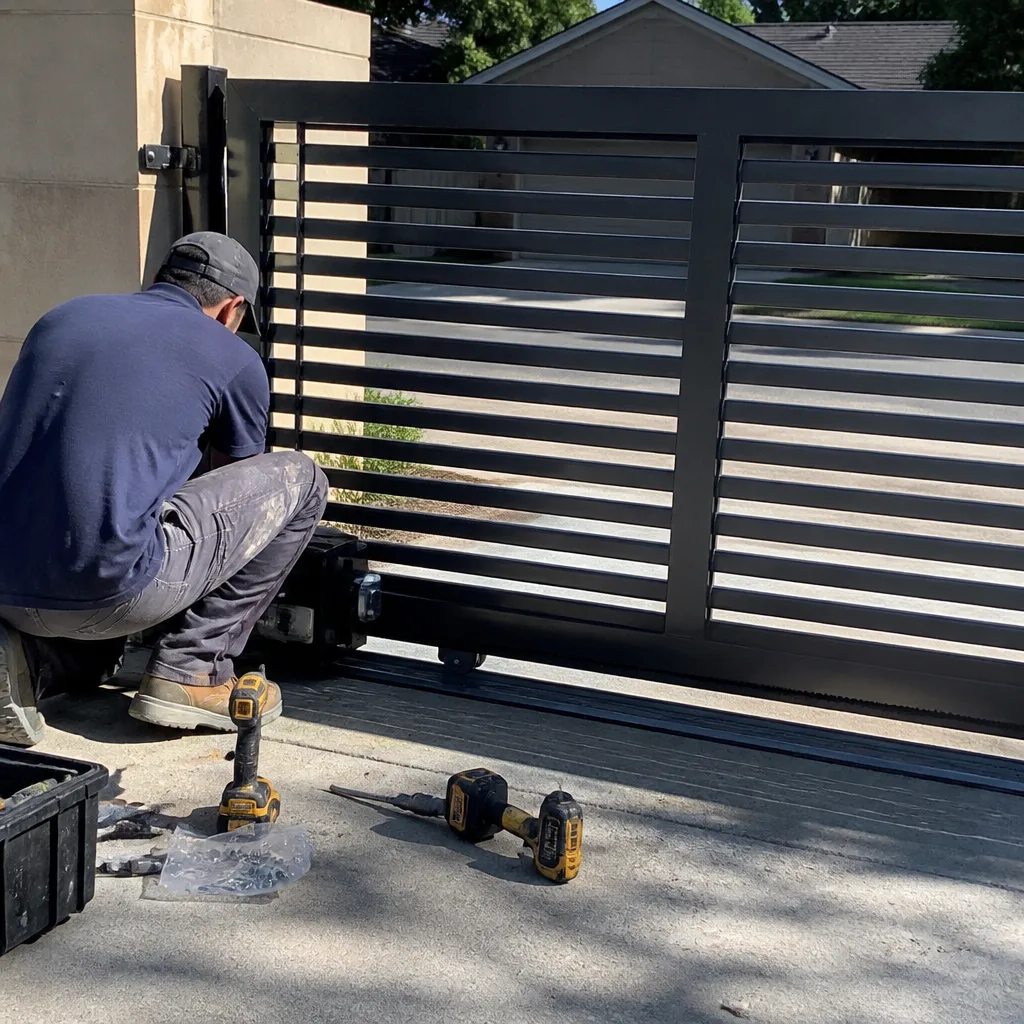
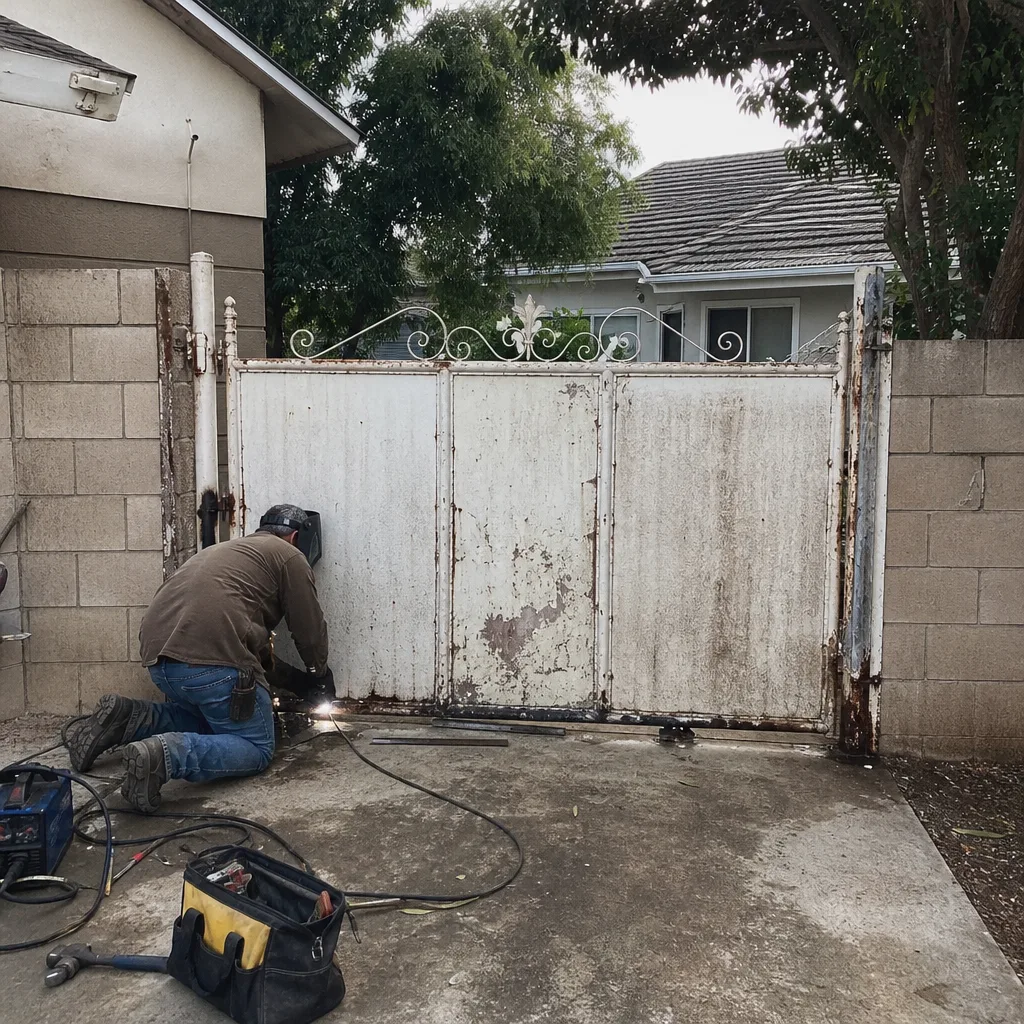
See the difference
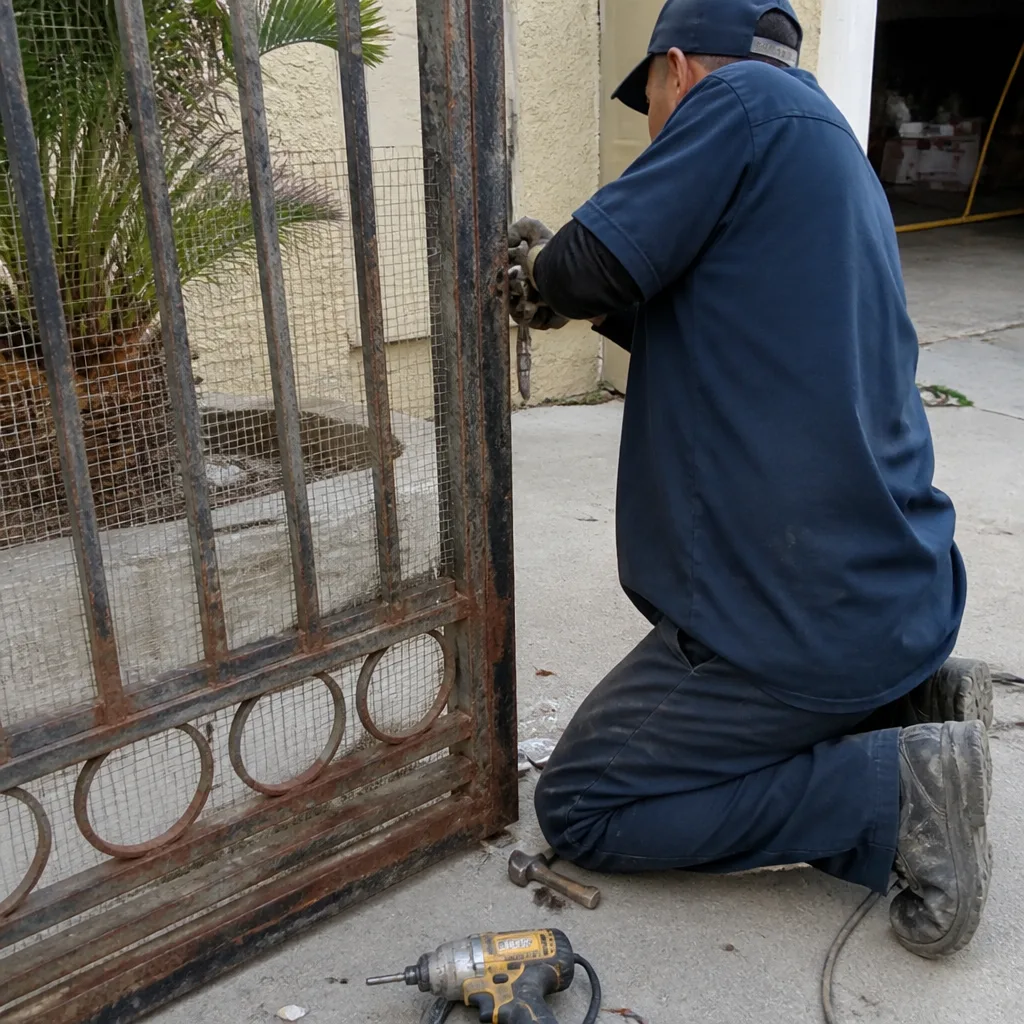 Before
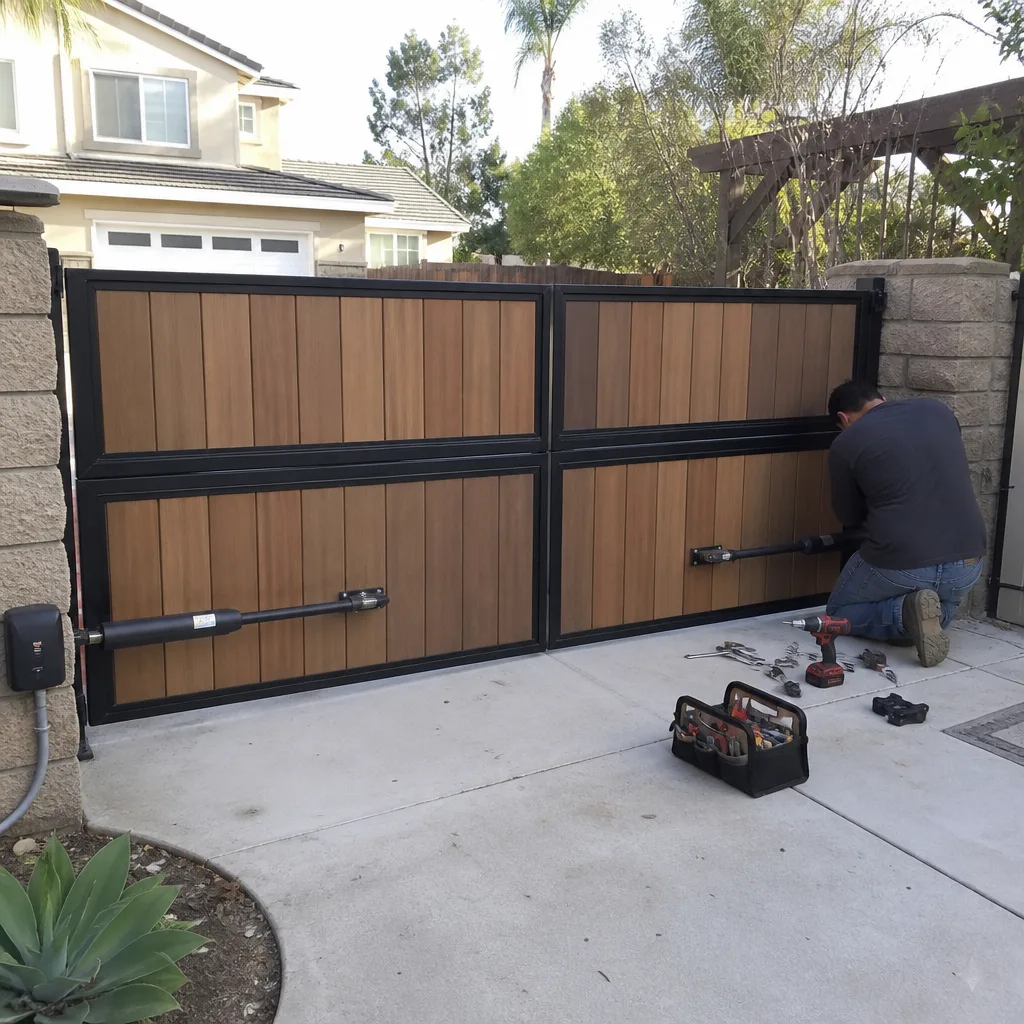 After
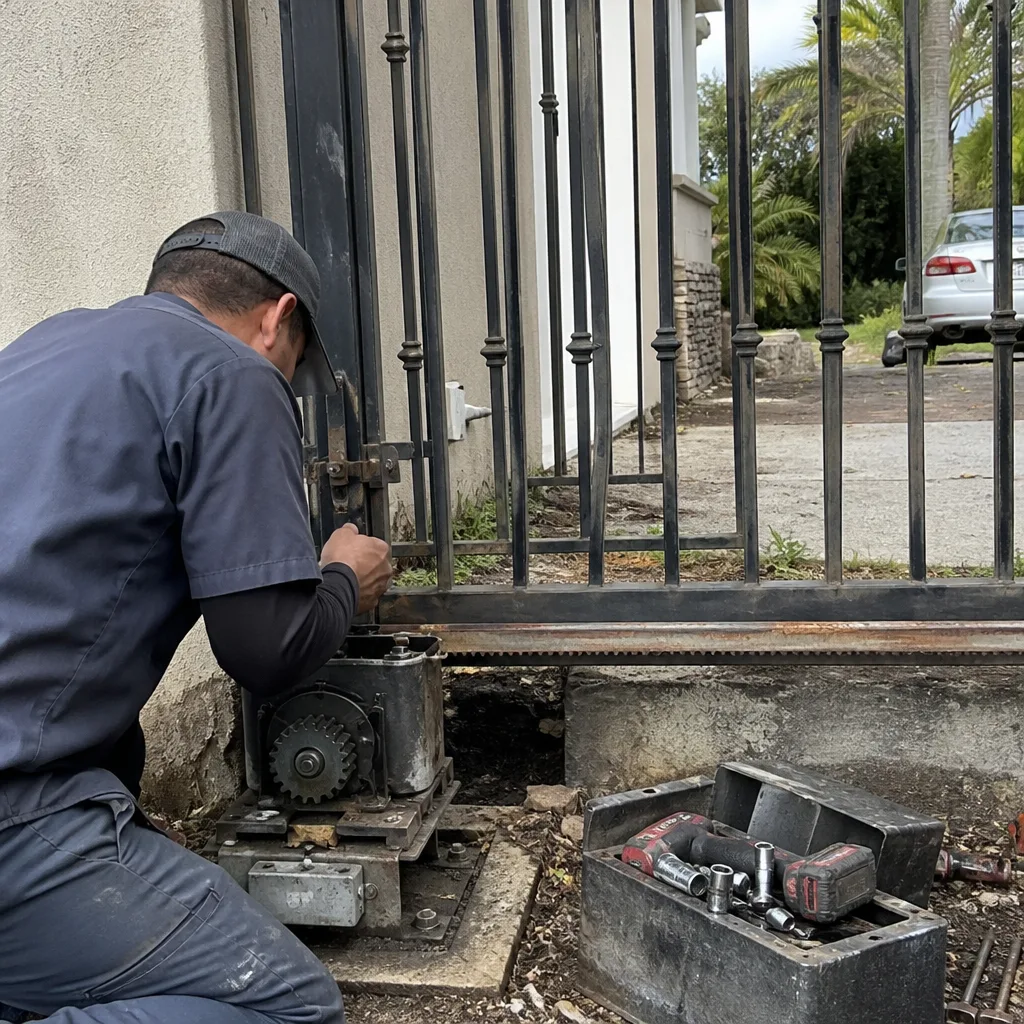 Before
 After
 Before
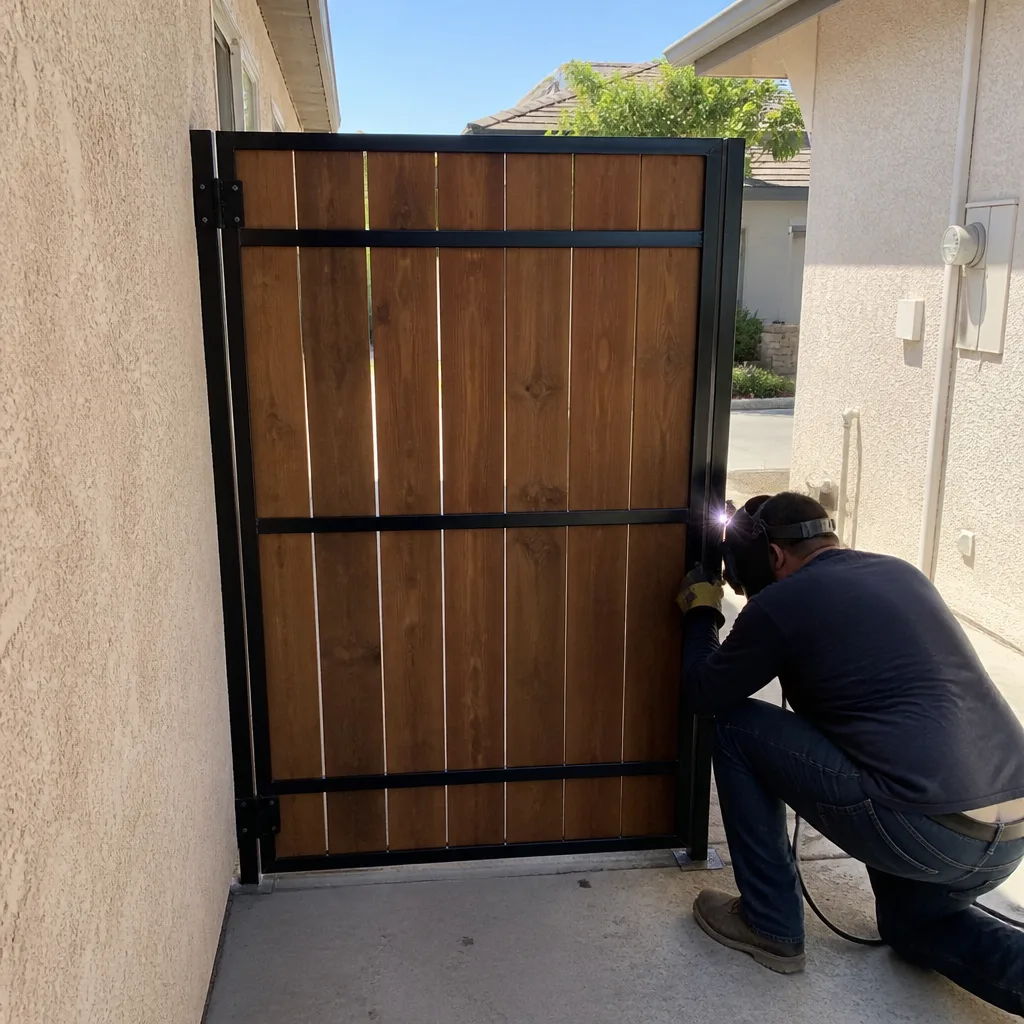 After
When to Call a Professional
Some gate problems are obvious and urgent: a gate that won’t close, a motor that hums but doesn’t move, a control board that’s visibly scorched. Other problems are quieter: a gate that reverses mid-cycle every fourth opening, a safety sensor that works intermittently, a limit switch that gets out of adjustment every few weeks. These intermittent problems are the hardest to diagnose and the easiest to waste money on. If you’ve replaced a sensor yourself and the problem persists, you’re now paying for the part and the professional anyway. Electric gate systems involve line voltage, capacitors, and moving steel under tension, and a misstep in diagnosis can turn a $200 repair into a $1,200 operator replacement. For most Chula Vista homeowners, the practical threshold for professional repair is anything beyond a visible mechanical issue like a loose bolt or a misaligned track. Gate Repair Chula Vista offers free estimates in Chula Vista, call (833) 593-7101.
Frequently Asked Questions
Gate repair in Chula Vista typically costs $185 to $650 for most jobs, with mechanical repairs like hinge replacements at $150 to $300 and electric operator repairs at $250 to $800. Full operator replacements run $900 to $2,400 installed. The exact cost depends on the operator brand, whether the problem is mechanical or electric, and whether you need after-hours service. Call (833) 593-7101 for an exact quote, estimates are free.
For most mechanical repairs and common electric issues, same-day service is possible in Chula Vista if you call before midday. Control board replacements depend on parts availability; common boards for Linear, LiftMaster, and Mighty Mule are often stocked locally, while some BFT or Viking commercial boards require ordering. Same-day emergency service is available with an after-hours premium. Call (833) 593-7101 to check availability today.
A full gate installation in Chula Vista includes removal of the old gate, posts and footings, the gate itself, hinges and hardware, the electric operator, safety sensors, remote controls, programming, and power connection to the gate location. Permits may be required for new electrical runs. The total installed price ranges widely based on gate size, operator brand, and access control needs.
Yes, electric gate repair and installation includes the full electrical scope: power runs to the gate, safety edges, photo eyes, loop detectors, and control board programming. Gate Repair Chula Vista works as a gate specialist, meaning we handle the electric and electronic side alongside the mechanical gate itself, from a single driveway gate to a multi-unit access control system.
A gate motor replacement in Chula Vista runs $500 to $1,400 installed depending on the operator brand. Residential motors for Ghost Controls or Mighty Mule gates sit at the lower end, while commercial-grade FAAC, BFT, or Viking motors cost more for parts and labor. The motor itself is usually $300 to $900, with labor and programming making up the rest. Call (833) 593-7101 for a free estimate.
We service nine major gate operator brands: LiftMaster, FAAC, BFT, Linear, Viking, Ghost Controls, DoorKing, Elite, and Mighty Mule. Our technicians are factory-familiar with each brand’s diagnostic logic and programming procedures, which means faster turnarounds and fewer return visits in Chula Vista for homeowners and property managers.
The Bottom Line
Gate repair pricing in Chula Vista is opaque because most companies bundle parts, labor, and programming into a single line item that gives you no way to evaluate fairness. This guide has given you the unbundled numbers: parts benchmarks, labor ranges, after-hours premiums, and the hidden fees that show up on invoices. With those numbers, you can ask the right questions, apply the 50% rule honestly, and negotiate from a position of knowledge instead of guessing. The goal at Gate Repair Chula Vista home is to give you the transparency the industry hasn’t historically offered.
Written by the team at Gate Repair Chula Vista, serving Chula Vista since 2016.