
Last updated November 2, 2026
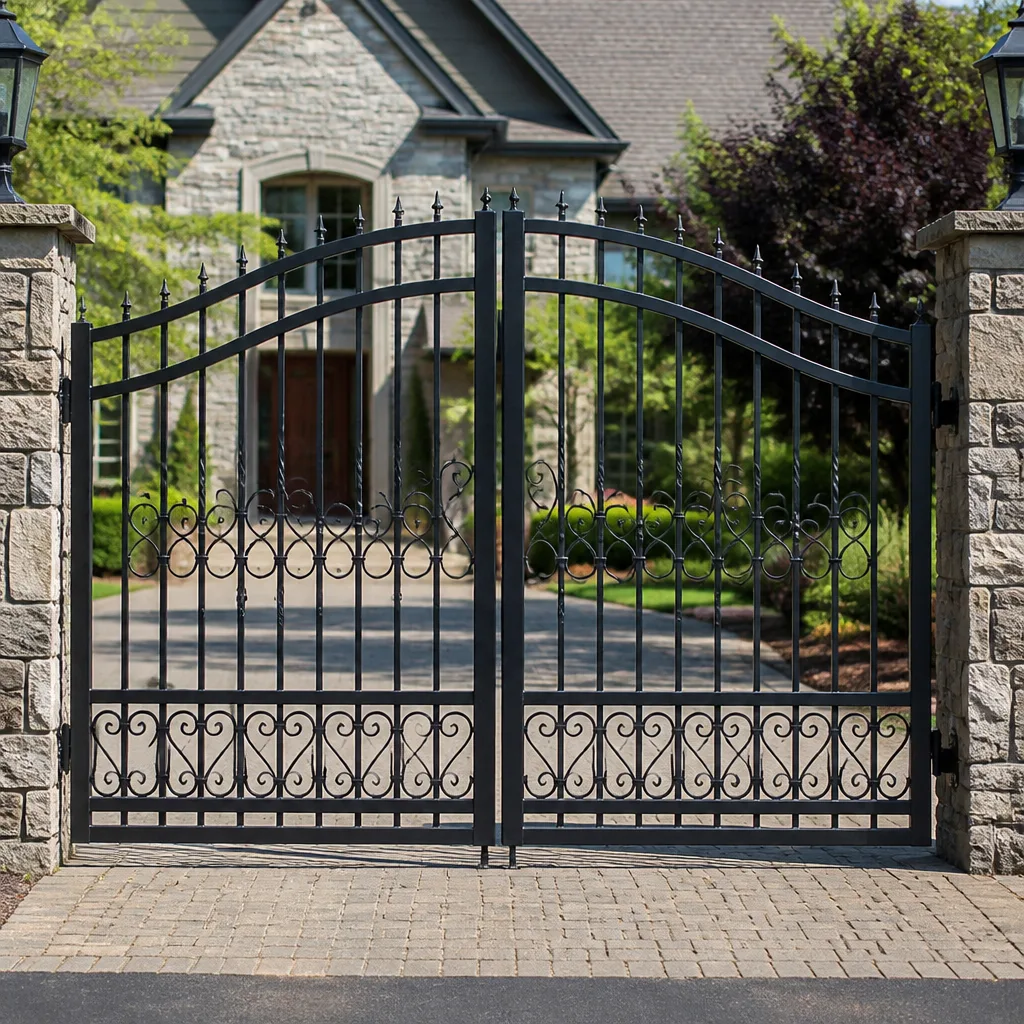 Wrought iron
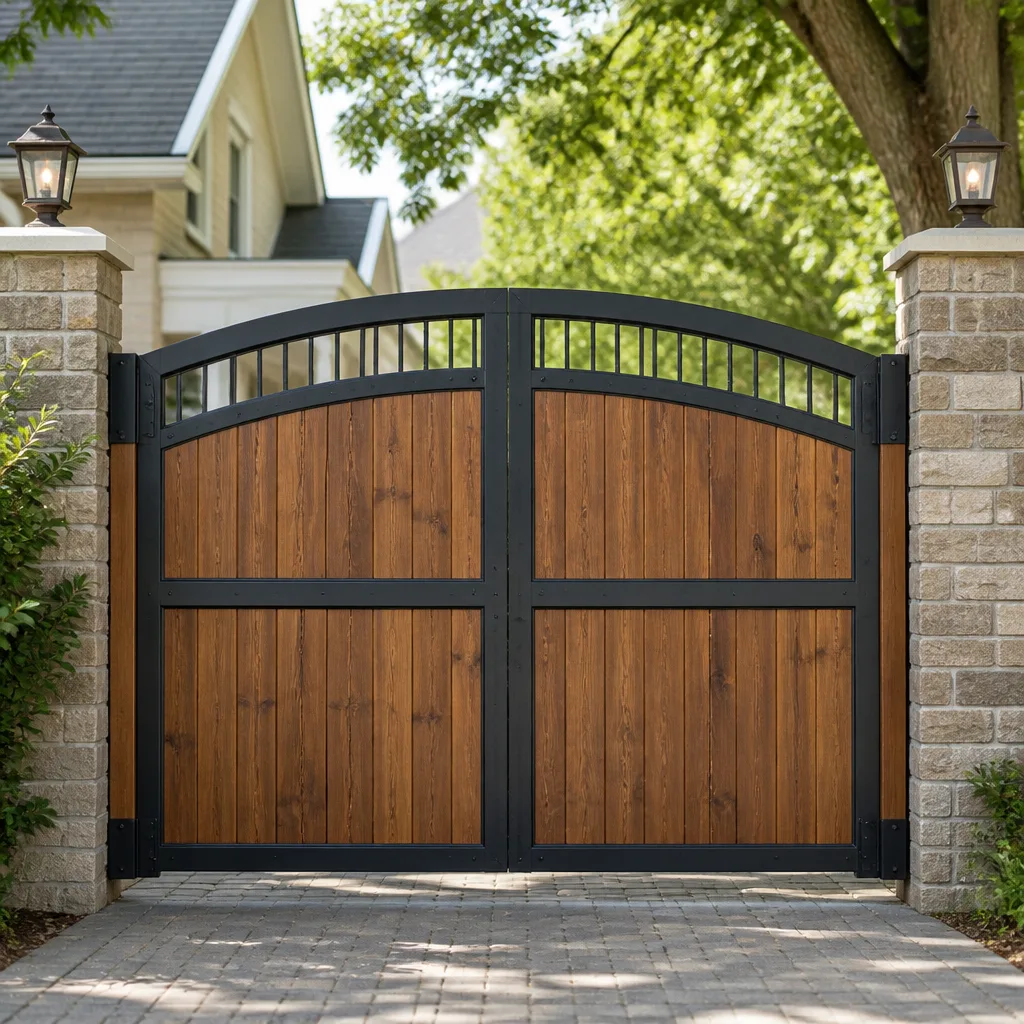 Wood & steel frame
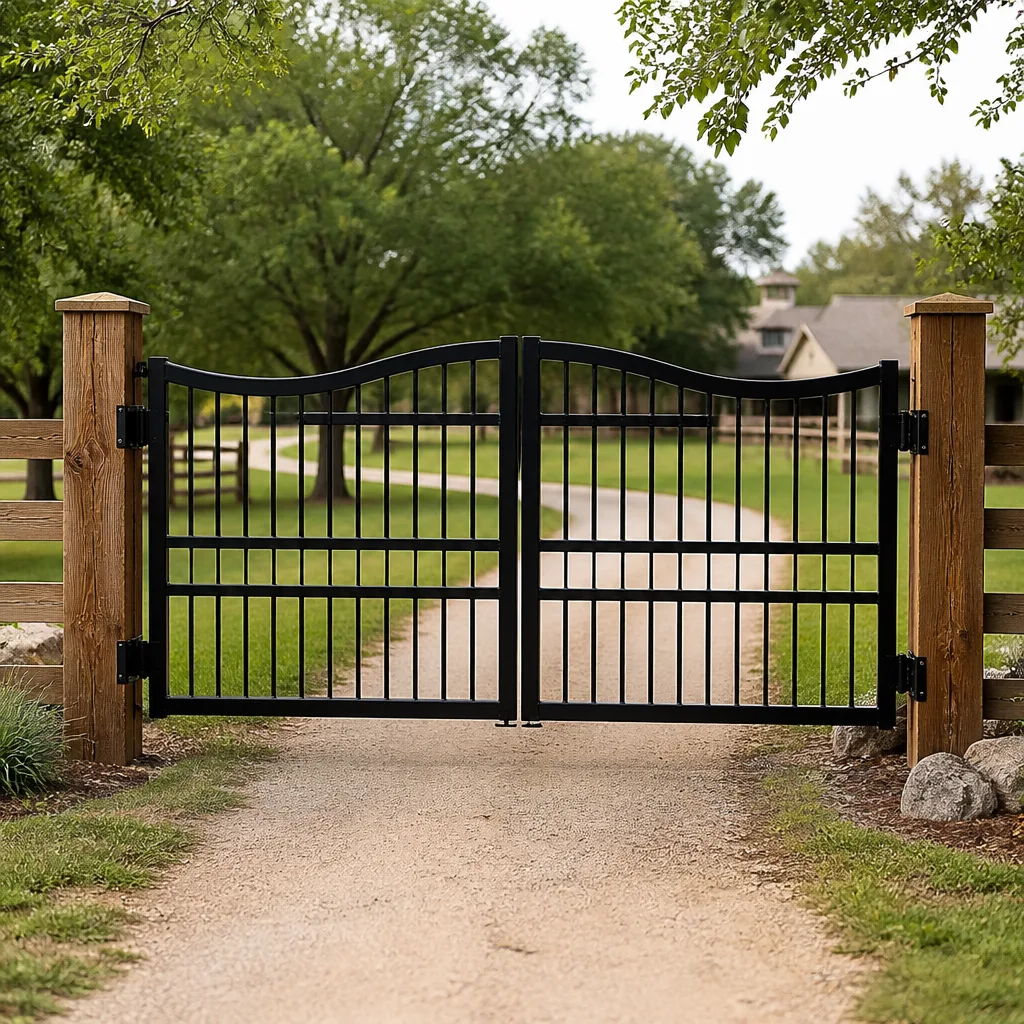 Farm & ranch
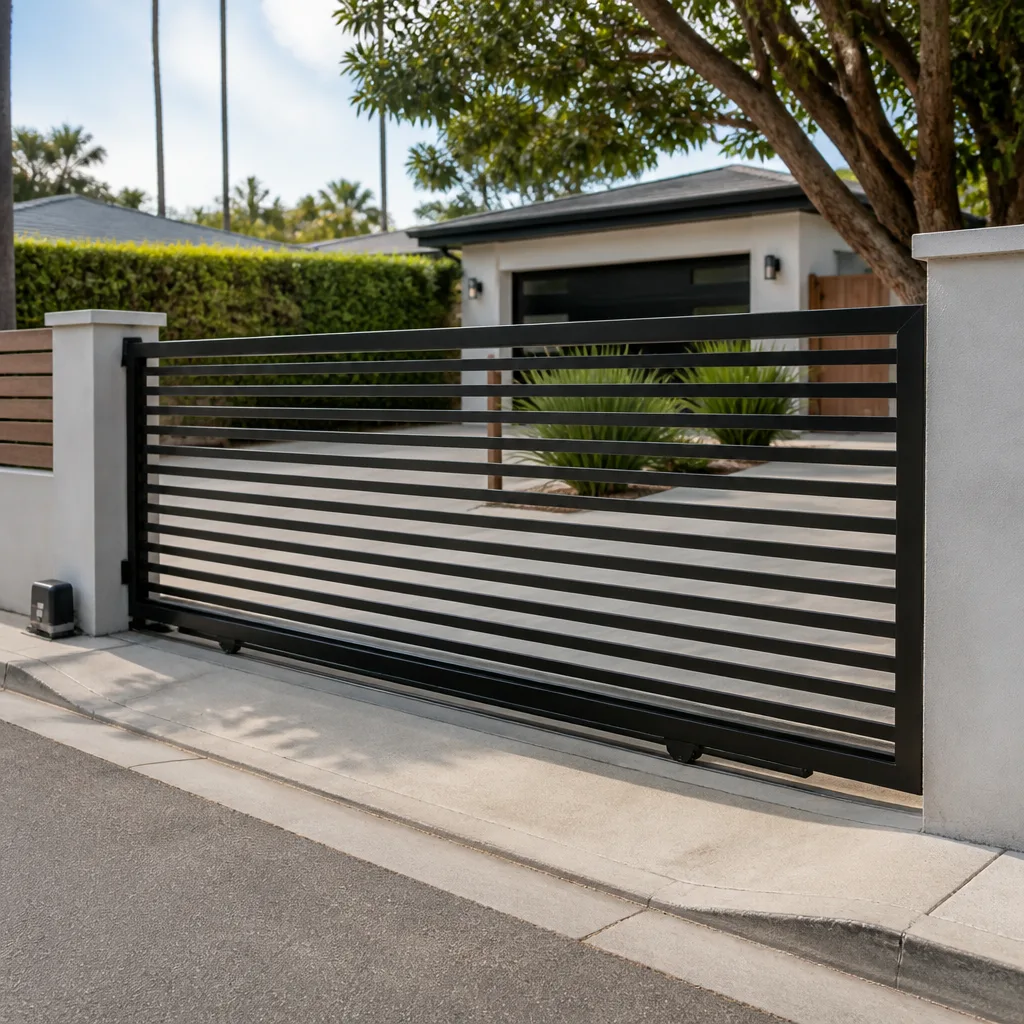 Sliding driveway gates
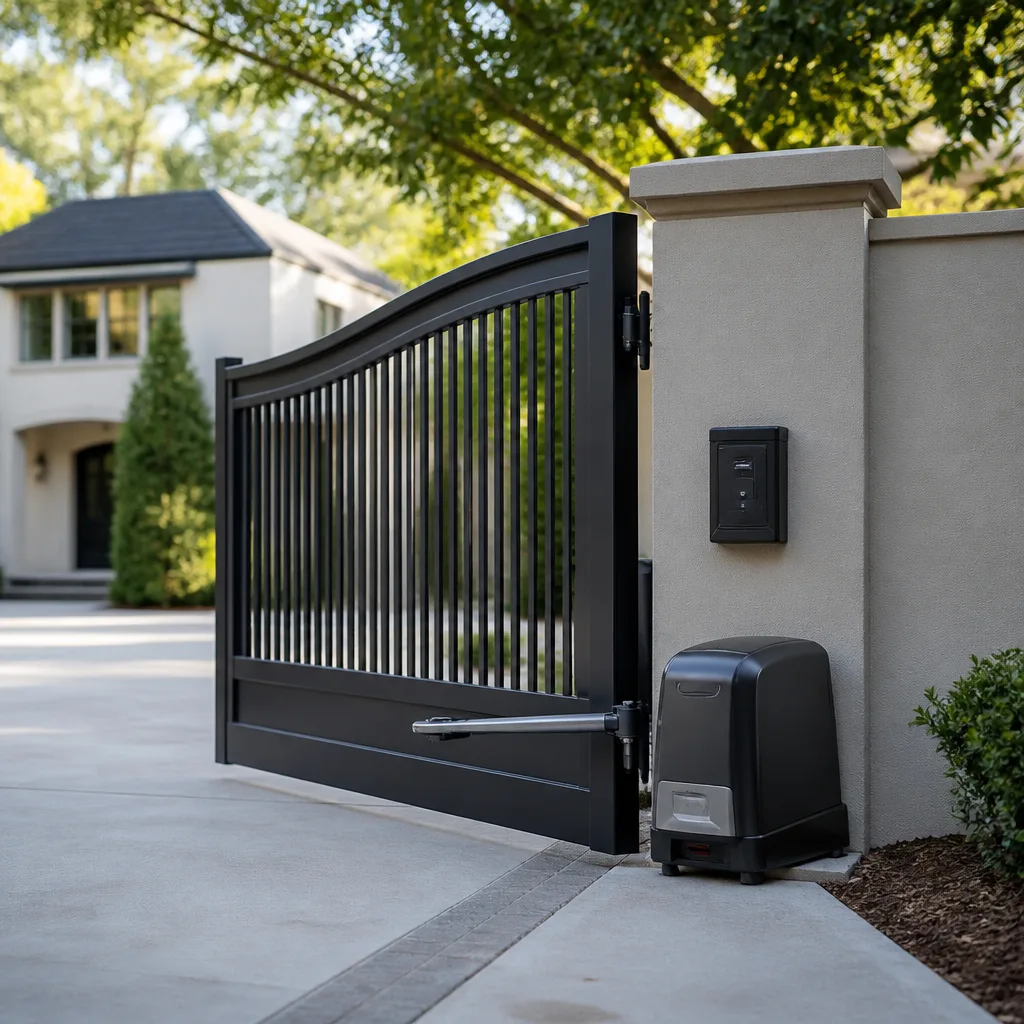 LiftMaster operators
Free on-site gate assessment - hinges, posts, and your LiftMaster or Nice gate operator checked before anything is quoted
The assessment is free and the quote is the invoice.
Get your free estimateGate Repair Permits, Codes & Inspections in CA: What You Need to Know
A gate operator replaced without verifying UL 325 compliance isn’t just a safety problem sitting on your property line. It’s a documented liability that your insurance carrier can use to deny a claim if that gate injures someone. We’ve seen Chula Vista homeowners discover this after the fact, and in this guide we’re walking through the three layers that govern gate work in California: UL 325 safety standards, local municipal code, and HOA architectural review. Each layer operates independently, and each one can block your repair, void your coverage, or force you to undo finished work.
Styles & brands we work with
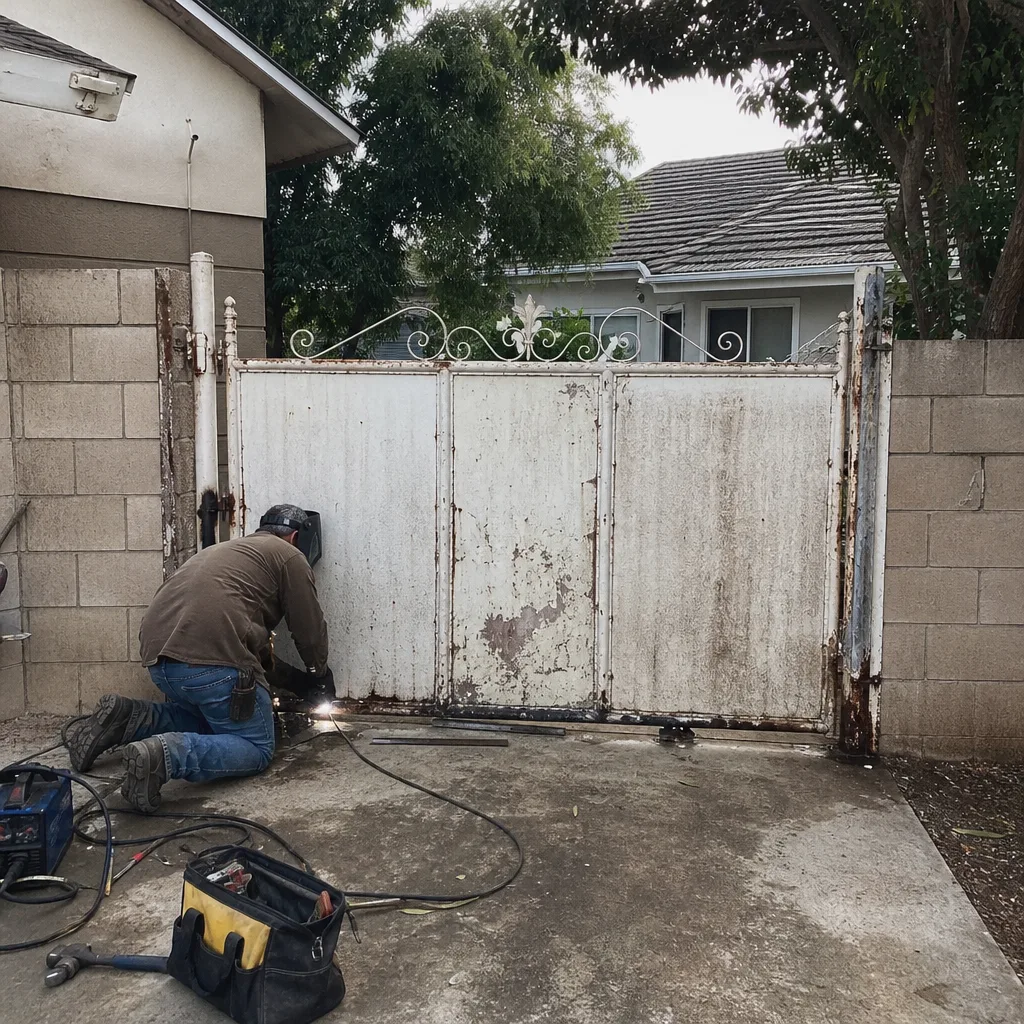
- Wrought iron
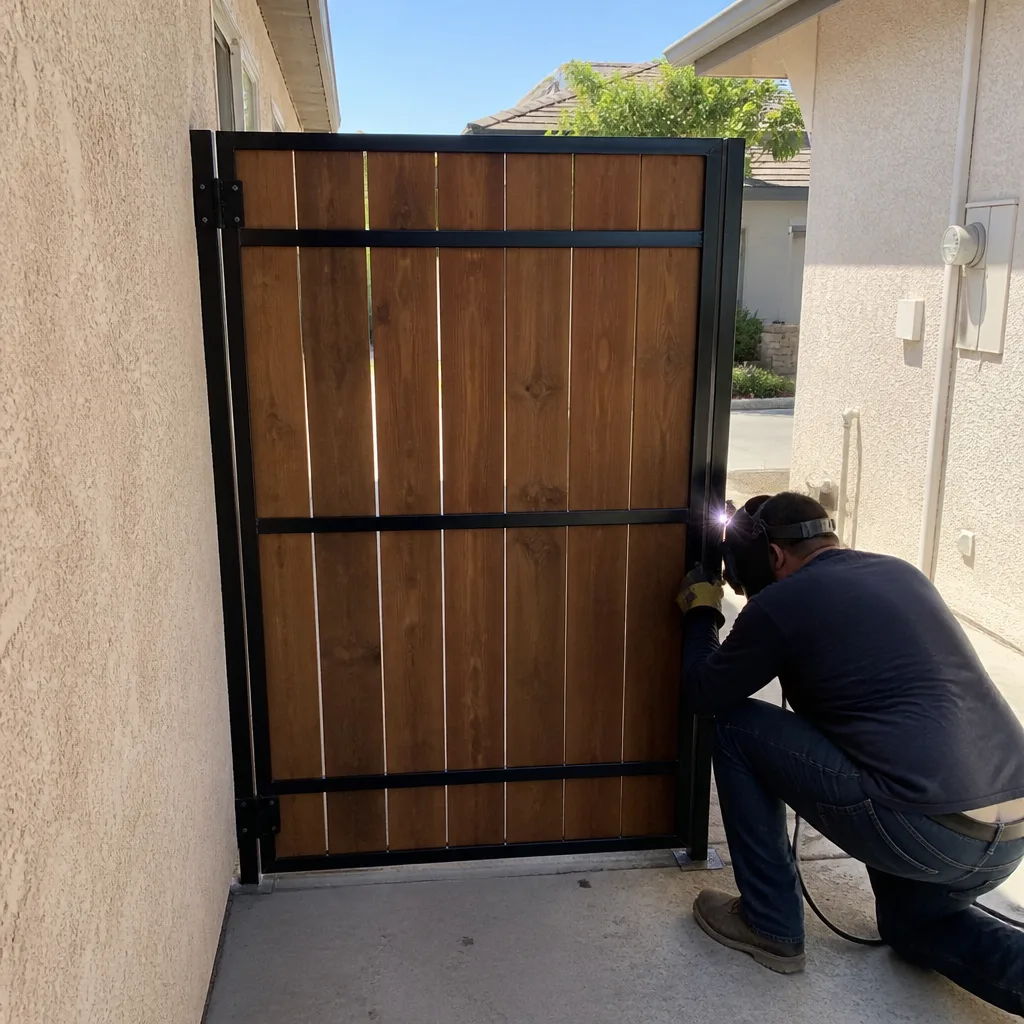
- Wood & steel frame
- Farm & ranch
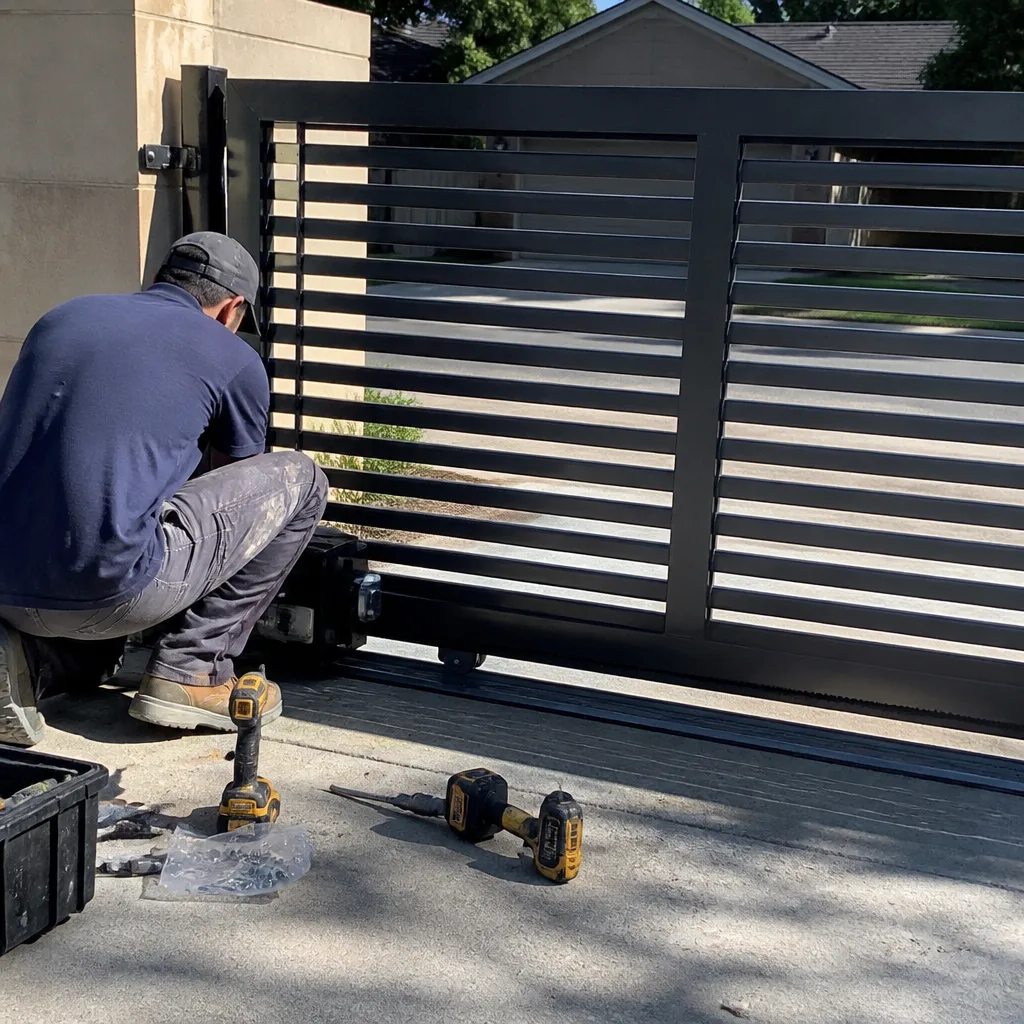
- Sliding driveway gates
- LiftMaster operators
Quick Answer
Most gate repairs in California do not require a city permit, but operational gate replacements and new installations often do. The governing safety standard is UL 325, which mandates specific entrapment protection for automated gates. In Chula Vista, the permit trigger depends on the scope of work: swapping a control board needs no permit, while replacing an operator or installing a new gate typically requires city review and possible inspection.
Table of Contents
- When a Gate Repair Triggers a Permit in Chula Vista
- UL 325 Explained: What Entrapment Protection Actually Requires
- HOA Review vs. City Permits: The Order That Keeps You Out of Trouble
- What a Chula Vista City Inspection Actually Checks
- The Paper Trail You Should Keep
- What These Approvals Cost in the Chula Vista Market
- Common Mistakes to Avoid
- When to Call a Professional
- Frequently Asked Questions
- The Bottom Line
When a Gate Repair Triggers a Permit in Chula Vista
The line between a repair and a permitted project comes down to what’s being altered. If you’re swapping a failed control board, replacing a limit switch, or installing a new safety edge on an existing operator, Chula Vista does not require a building permit. The work is considered maintenance on the existing approved system. But the moment you replace the operator itself, run new power, or change the physical gate structure (hinges, posts, weight, swing direction), you’re into permit territory.
Chula Vista’s municipal code treats automatic gate operators as electrical equipment governed by the California Building Code. A replacement operator is not a repair under the code’s definition because the device itself is changing. That means it must be installed to current UL 325 standards and typically requires a city inspection. The same logic applies to new gate installation. A manual pedestrian gate hung between existing posts may not trigger review, but a motorized driveway gate on a new post or footing does.
Here’s the practical scope breakdown we use when we talk to homeowners in Chula Vista:
- No permit needed: control board replacement, receiver replacement, safety loop repair, limit switch adjustment, hinge lubrication, wheel replacement, keypad reprogramming.
- Permit likely needed: operator replacement, new gate leaf installation, post setting or replacement, automated pedestrian gate addition, power run extension, solar operator addition to a previously manual gate.
- Always verify: any work on a gate that serves a pool, any gate over 7 feet tall, any gate over 16 feet wide, and any commercial or multifamily access point.
When in doubt, call the Chula Vista Building Division and describe the exact scope. They’ll issue a written determination. We’ve found that a quick phone call costs nothing and prevents a citation down the road.
For a deeper look at what routine repair work actually involves, see our Gate Repair in Chula Vista service page.
UL 325 Explained: What Entrapment Protection Actually Requires
UL 325 is the safety standard that governs automatic gate operators in the United States. It was written after enough people, mostly children, were injured or killed by gates that didn’t stop or reverse when something blocked their path. The standard now mandates specific entrapment protection for every automated gate, and every operator manufacturer, from BFT to Ghost Controls, must design its equipment to support these requirements.
Here’s the plain-language version. An automated gate needs at least two independent means of protection against entrapment. The standard categorizes gates by use class (residential, commercial, industrial) and by entrapment zone (the primary zones being the gate leaf edge, the hinge area, and the opening between gate and post). Each zone requires protection appropriate to the hazard.
In practice, this means:
- A primary entrapment sensor. This is usually the inherent obstruction detection built into the operator. When the gate hits resistance, the operator reverses.
- A secondary entrapment sensor. This is typically a non-contact sensor like a photo eye or a contact sensor like a safety edge. On residential gates, UL 325 allows the operator’s built-in force settings to serve as one means, but most systems still need a second layer.
- Warning signage. UL 325 requires specific warning signs for automatic gates in certain use classes. A residential driveway gate may not require signage, but a gate serving a community pool or a commercial property does.
The key requirement that catches people off guard: when you replace an operator on an existing gate, the new operator must meet current UL 325 requirements, not the standard that was in place when the gate was built. An older gate that passed inspection in 2005 may not pass with a new Linear operator in 2026 because the standard has been revised. The installer is responsible for ensuring the entire system, gate plus operator, meets current entrapment protection requirements.
We work on Viking, BFT, Linear, and Ghost Controls systems regularly, and each brand handles UL 325 compliance differently in its control board logic. A technician who knows the brand-specific settings can configure force limits, run timing, and sensor integration correctly. A generalist who guesses can leave a gate under-protected or over-sensitive and unwalkable.
HOA Review vs. City Permits: The Order That Keeps You Out of Trouble
In Chula Vista, many homes fall under an HOA with architectural review authority over gates and fencing. The HOA’s CC&Rs govern what the gate can look like, what materials are allowed, and sometimes what operator brands are acceptable for noise reasons. The city governs safety and structural compliance. These are separate reviews, and getting the order wrong means redoing work.
Here’s the sequence that prevents that:
- Check your CC&Rs first. Before buying any equipment or scheduling any work, read the architectural guidelines. Look for gate-specific language: height limits, material requirements, color restrictions, operator type.
- Submit to the HOA architectural committee. This is the slowest step in most projects. HOA review can take 2 to 6 weeks in Chula Vista, depending on the board’s calendar. Factor that into your timeline before you schedule a city inspection.
- Apply for the city permit. Once the HOA has approved the design, submit for the city permit. The city doesn’t care whether you’ve run the HOA gauntlet, but you don’t want to install something the HOA rejects after the city has already approved it.
- Complete the work. Schedule the city inspection after installation. The inspector verifies code compliance, not HOA style.
We’ve watched homeowners skip the HOA step and install a gate that the HOA then ordered removed. The removal costs more than the installation. In one Eastlake neighborhood, a homeowner installed a black ornamental gate that violated the HOA’s requirement for a wrought-iron finish. The city approved the permit. The HOA fined the homeowner and required repainting. The HOA’s authority runs parallel to the city’s, and in some Chula Vista communities it’s actually stricter.
If your gate is electric and you’re considering a new operator, take a look at our Electric Gate Repair in Chula Vista page for specifics on the systems we service.
What a Chula Vista City Inspection Actually Checks
When you replace a gate operator and pull a permit in Chula Vista, the city inspector will visit after the work is complete. The inspection is usually brief, 15 to 30 minutes, but the inspector checks specific items against the California Building Code and the manufacturer’s UL 325 compliance documentation.
What the inspector verifies:
- UL 325 class compliance. The operator’s label must match the gate’s use class (Class I residential, Class II commercial or multi-family, Class III industrial). A Class I operator on a commercial gate is an automatic fail.
- Entrapment protection. The inspector confirms that primary and secondary entrapment protection are installed and functional. They typically test the gate by placing an obstruction in the path and verifying reversal.
- Electrical connection. The circuit must be GFCI protected if required, and the wiring must be rated for the installation. Exposed wiring and unsecured conduit are common fail points.
- Gate structure. The gate itself must be sound. A gate that sags, binds, or has loose hardware can fail inspection even if the operator is perfect, because a poorly hung gate compromises the operator’s safety sensors.
- Manual release. The gate must have a functional manual release accessible from outside the gate. The inspector checks that the release works and is reachable.
The inspector cannot require things outside code. They cannot mandate a specific operator brand. They cannot demand that you use an HOA-approved color. They cannot write a violation for items not cited in the building code. What they can do is fail your inspection for a safety item and require re-inspection, which means another fee and another wait.
In our experience, the most common re-inspection triggers in Chula Vista are missing safety edges on older gate conversions, operator class mismatches on multi-family properties, and exposed low-voltage wiring run along fence lines. A thorough pre-inspection walkthrough catches all three before the official visit.
The Paper Trail You Should Keep
When you sell a Chula Vista property with an automated gate, the buyer’s agent will ask for documentation. The escrow process often surfaces gate details that owners never thought about. Having the right paperwork in a folder makes the sale smoother and protects you if there’s ever an incident involving the gate.
Keep these documents for every gate project:
- The city permit. This proves the work was done legally. Without it, some buyers will request a retroactive permit, which can take weeks and cost more than the original.
- The UL 325 compliance sheet. Every new operator ships with a compliance insert. File it. It documents that the equipment meets current standards, which matters if a claim or lawsuit ever questions the installation.
- The installer’s license number. California requires gate operators to be installed by a licensed contractor when the work is valued over $500. Your installer’s license number links the work to a responsible party with a state bond.
- The operator’s warranty registration. Most manufacturers require registration within 30 days of installation. The registration confirms the installation date and the installing contractor’s name.
- The HOA approval letter. Keep the architectural committee’s written approval. If the HOA board changes and questions the gate later, that letter is your defense.
We tell Chula Vista homeowners to think of this folder as the gate’s title. It travels with the house. A missing permit or lost compliance sheet doesn’t mean the gate is unsafe, but it means you’ll spend time and money proving something you shouldn’t have to prove.
What These Approvals Cost in the Chula Vista Market
Permit fees in Chula Vista for gate work are flat-rate, not percentage-based. For a residential operator replacement, expect the permit fee to run $75 to $150 depending on the valuation of the work. Commercial gate permits start higher, usually $200 to $500, because the inspection requirements are more involved. Re-inspection fees run $50 to $100 per visit.
HOA architectural review fees vary by community. Some Chula Vista HOAs charge a flat review fee of $25 to $75. Others charge nothing but take 4 to 6 weeks. Check your CC&Rs for the specific fee schedule.
The total approval cost for a typical residential operator replacement in Chula Vista:
- HOA review fee: $0 to $75
- City permit: $75 to $150
- City inspection (included in permit): $0
- Re-inspection, if needed: $50 to $100
For a new gate installation with an electric operator, the permit valuation includes the gate, the operator, and the power run, so the fee typically lands between $150 and $400. For full Gate Installation in Chula Vista pricing context, our team walks through the equipment and labor ranges before you file anything.
Common Mistakes to Avoid
- Installing a new operator on an old gate without checking the gate’s structural condition. An operator paired with a sagging, binding gate will fail the force settings and the inspection. The gate itself has to be sound first.
- Skipping the HOA review because the city said no permit was needed. The city’s permit determination has no bearing on your HOA’s architectural authority. You can still get fined by the HOA for work that required no city permit.
- Buying a Class I operator for a multi-family gate. Chula Vista inspectors check the class rating. A Class I on a Class II property is a failed inspection and a replacement cost.
- Not reading the UL 325 compliance sheet that ships with the operator. Homeowners toss this with the box. It’s the one document that proves the equipment meets current safety standards.
- Filing the city permit before the HOA approval. If the HOA rejects the design, the city permit is wasted, and the clock on permit validity keeps running.
- Running the power without a permit because the outlet was already there. Extending or altering the circuit for a new operator location is electrical work. If it’s not on the permit, the inspector can flag it.
When to Call a Professional
If your gate operator is acting erratically, the force settings are hard to configure, or the safety loop isn’t detecting vehicles reliably, those are Gate Repair Warning Signs: A Chula Vista Homeowner’s Reference Guide that the system’s logic needs brand-specific diagnostics. A general handyman replacing a control board on a Viking operator with mismatched settings creates a gate that slams or refuses to close. We work on BFT, Linear, Ghost Controls, and other major brands daily, and the failure patterns are brand-specific enough that guesswork costs more than a service call.
If you’re in Chula Vista and staring at a permit question, a UL 325 compliance gap, or an HOA review that’s getting complicated, call us. Gate Repair Chula Vista home offers free estimates on gate repair and installation projects throughout Chula Vista. Call (833) 593-7101.
Frequently Asked Questions
Yes, replacing a gate operator in Chula Vista typically requires a city permit because an automated operator is classified as electrical equipment under the California Building Code. For help with the process, see our Gate Repair services. The permit triggers an inspection to verify UL 325 compliance, proper wiring, and functional entrapment protection. Call (833) 593-7101 for a free estimate that includes permit guidance.
UL 325 is the national safety standard for automatic gate operators, requiring entrapment protection like obstruction sensors and reversing mechanisms on every automated gate. If your gate injures someone and the operator wasn’t UL 325 compliant, your homeowner’s insurance can deny the claim. Any new operator we install is paired with current-standard entrapment protection configured to the brand’s control logic.
California law requires a licensed contractor for gate operator installation when the project value exceeds $500. Beyond the licensing requirement, entrapment protection configuration on modern operators involves brand-specific force settings, sensor integration, and run timing that self-installers routinely get wrong. We recommend professional installation for any automated gate.
A Chula Vista gate inspection checks the operator’s UL 325 class rating, primary and secondary entrapment protection function, electrical connection safety, gate structural condition, and manual release accessibility. The inspector tests the gate by obstructing its path and confirming reversal. Re-inspection fees apply if the gate fails.
A residential gate operator permit in Chula Vista typically costs $75 to $150, while a new automated gate installation permit runs $150 to $400 depending on the project valuation. HOA review fees are separate. Call (833) 593-7101 and we’ll help you scope the exact permit cost for your project.
Yes, HOA architectural approval is entirely separate from city permitting in Chula Vista. The HOA governs design, materials, and appearance, and can fine you or require removal for a gate that violates CC&Rs even if the city approved the permit. Get HOA approval before the city permit to avoid redoing completed work.
The Bottom Line
Gate repair in California sits at the intersection of safety code, municipal permit authority, and HOA design review. Understanding which layer governs which part of your work keeps you from paying for re-inspections, HOA fines, or insurance claim denials. Keep the permit, the UL 325 compliance sheet, the installer license, and the HOA approval letter in one folder. In Chula Vista, where gate work serves both residential driveways and commercial access points, the paper trail is cheap insurance. When in doubt about scope, classification, or compliance, call a gate specialist who works with your brand or explore Gate Repair Troubleshooting: Common Problems and How to Fix Them.
Written by the team at Gate Repair Chula Vista, serving Chula Vista since 2016. Browse more guides & resources.
See the difference
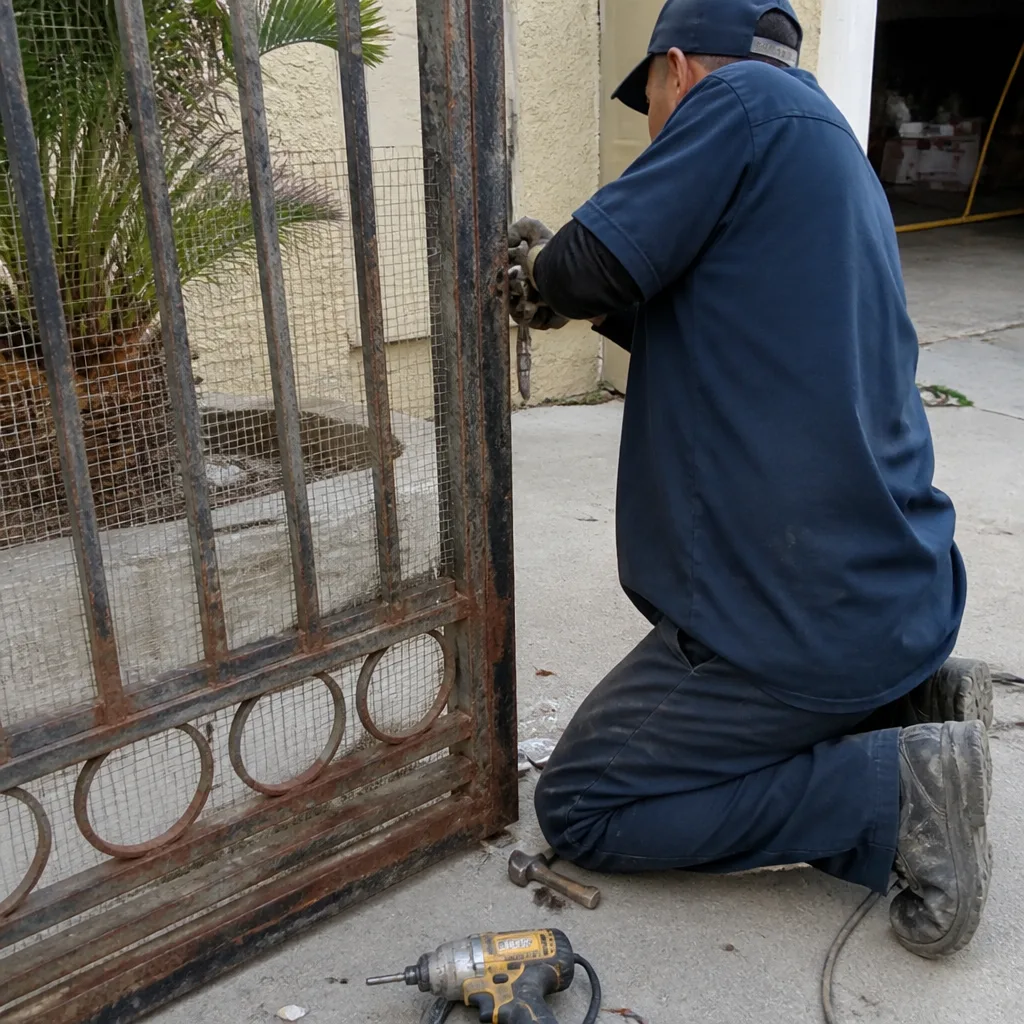 Before
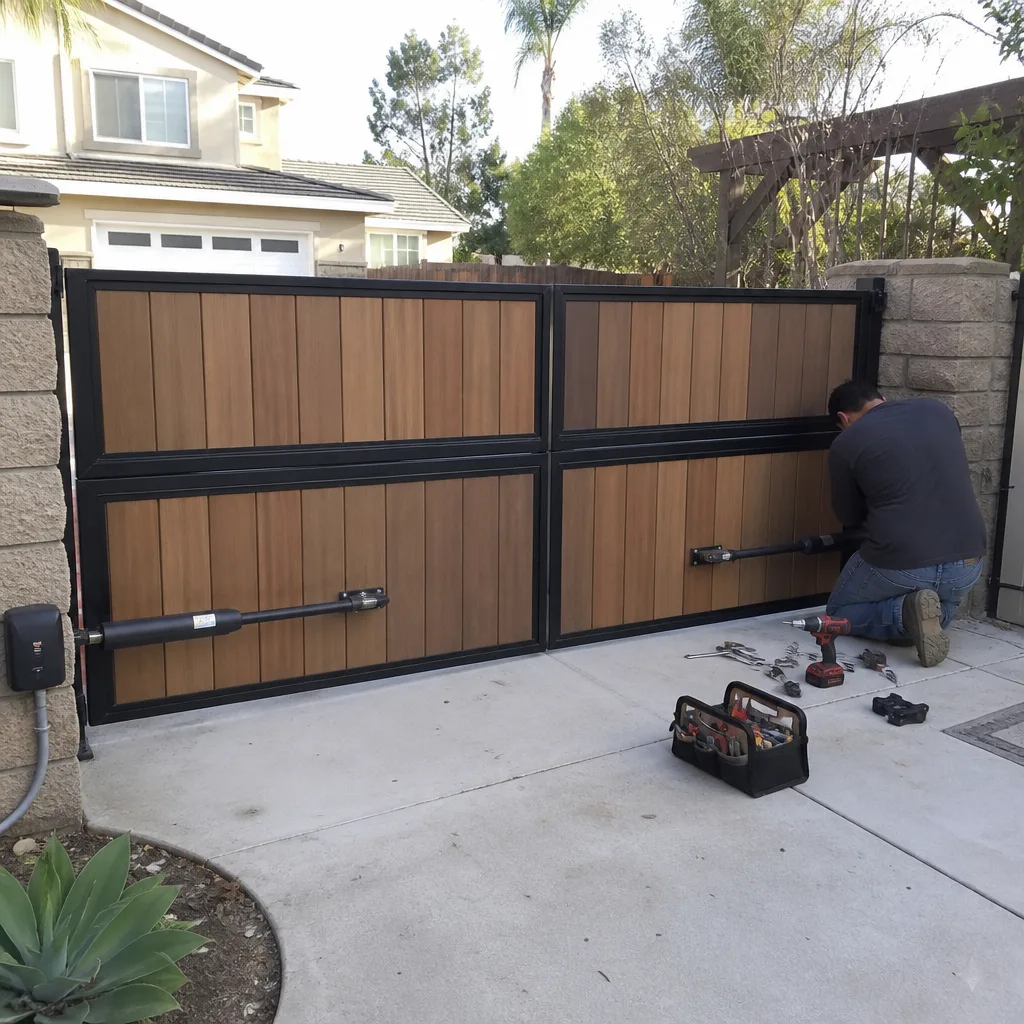 After
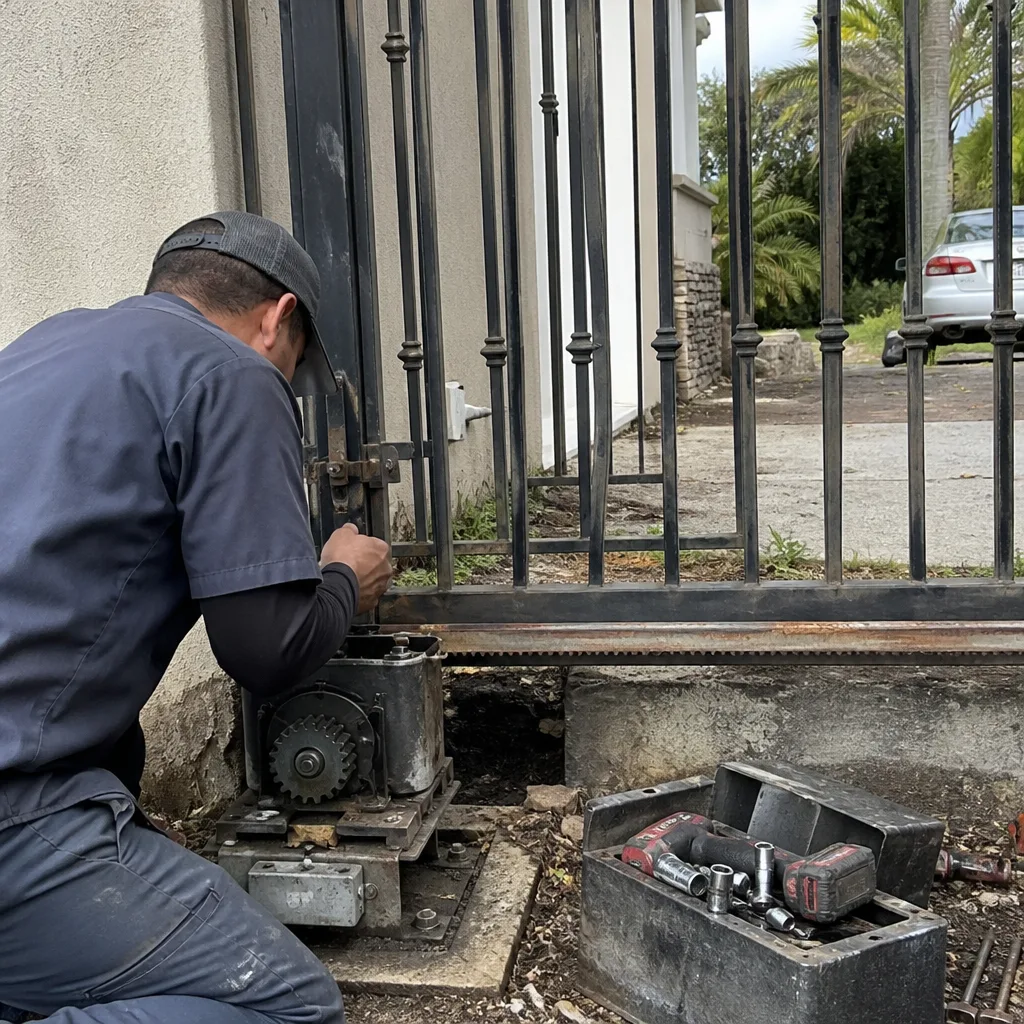 Before
 After
 Before
 After